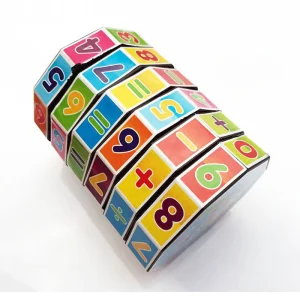
Explore our top-tier catalog of early learning solutions. Engineered to meet global child developmental guidelines, including STEM curricula, Montessori pedagogy, and strict sensory therapy requirements.
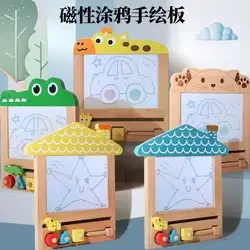
A data-driven macro-overview of materials engineering, cognitive developmental theories, and international trade compliance structures guiding modern global buyers.
Today's early childhood educational toy sector operates at the intersection of neuropsychology and sustainable supply chain dynamics. Modern buyers—ranging from institutional distributors to high-end boutique brands—are no longer merely purchasing physical playthings; they are sourcing developmental tools backed by neuroscientific principles. The modern classroom and home environments are characterized by "active learning methodologies" where materials are evaluated on their capacity to stimulate spatial awareness, kinetic coordination, fine motor dexterity, and executive function. Sourcing high-quality early childhood materials requires a profound understanding of sensory processing milestones, physical durability metrics, and international mechanical and chemical safety standards.
Key paradigms shaping how institutional sourcing directors approach child interaction and mechanical design.
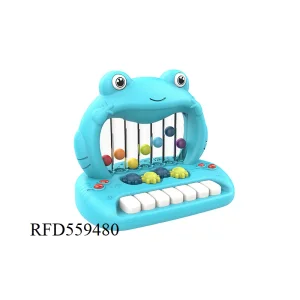
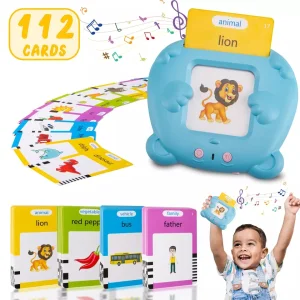
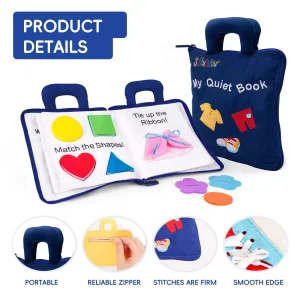
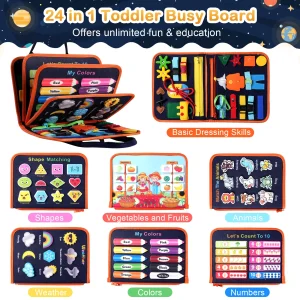
The demand for sensory toys targeted at neurodivergent profiles (e.g., Autism spectrum, ADHD, sensory processing disorders) is surging globally. Products like educational talking flash cards and mechanical sensory busy boards act as active intervention therapy devices. Sourcing directors are prioritizing products developed alongside speech-language pathologists, prioritizing tactile versatility, clear audio synthesis, and non-overstimulating visual palettes.
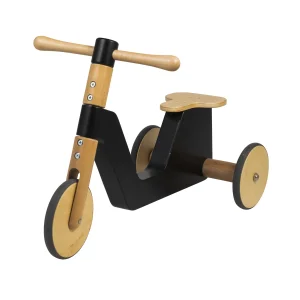
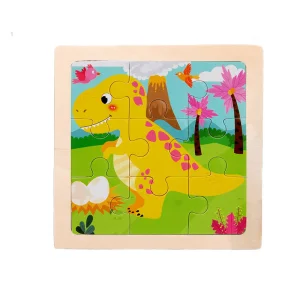
There is a structural pivot back to natural materials—specifically certified sustainable wood, bio-composite resins, and water-soluble finishes. Premium wooden balance cars and Montessori puzzle panels utilize beech, birch, and rubberwood sourced from FSC-managed forests. Natural grain surfaces offer superior tactile stimulation compared to cold, non-textured injection-molded plastics.
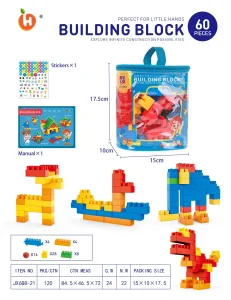
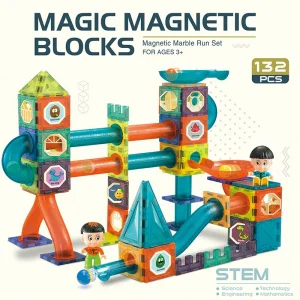
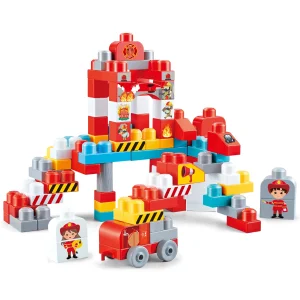
While digital interactivity remains popular, parents and educators are push-backing against blue-light screens. Sourcing trends highlight mechanical STEM products like magnetic drawing boards, complex structural building blocks, and physical marble runs. These systems teach core engineering principles, logical iteration, and physics through physical manipulation.
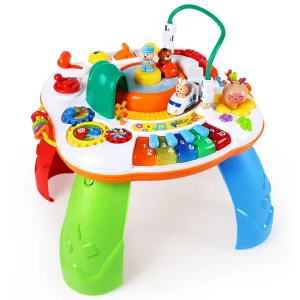
Procurement professionals look for products that grow with the child. Multifunctional activity learning tables that convert from infant standing guides into logical building zones or drawing surfaces maximize life cycle value, reduce carbon footprints, and justify higher upfront retail margins.
Compliance, structural durability, and manufacturing traceability form the trifecta of professional toy distribution operations.
When selecting a manufacturing partner, corporate enterprise buyers rely on rigorous chemical, mechanical, and social audit certifications to mitigate brand risks. Below are the mandatory components analyzed during vendor onboarding audits:
How digital integration and vertical supply localization protect global operations against economic volatility.
Modern toy manufacturing has evolved beyond traditional manual assembly. China's Factory 4.0 paradigm integrates advanced ERP systems, automated precision woodworking machines, high-output injection-molding systems, and digital quality monitoring checkpoints. Because China hosts complete vertical supply chains—from raw wood drying kilns and eco-friendly pigment compounding mills to local cardboard packaging producers—production delays are significantly reduced.
This dense concentration of specialized parts suppliers enables rapid reaction times for custom OEM/ODM modifications. For instance, updating a mold design or altering a sensory board layout can be prototyped, safety-checked, and transitioned to bulk production in a fraction of the time compared to fragmented assembly networks elsewhere. Industrial clusters in the Yangtze River Delta ensure smooth logistical links to deep-water shipping terminals, shielding buyers from costly overland shipping delays.
A look inside our state-of-the-art manufacturing plants, design methodologies, and international distribution systems.
Hangzhou Ebid Toy Co., Ltd. is a leading China educational toys manufacturer specializing in the design, development, and production of STEM, Montessori, and early learning toy solutions. With years of experience in the children's educational products industry, Ebid Toy is committed to creating innovative, safe, and engaging toys that inspire creativity, learning, and cognitive development for children around the world.
Our extensive product portfolio includes STEM educational toys, Montessori learning toys, wooden educational toys, puzzles, building blocks, sensory toys, science experiment kits, interactive learning games, and early childhood development products. Designed to combine fun with education, our products help children improve problem-solving abilities, motor skills, logical thinking, creativity, and social interaction.
At Ebid Toy, quality and safety are at the heart of everything we do. Our modern manufacturing facilities are equipped with advanced production technologies and comprehensive quality control systems to ensure every product meets international safety standards and customer expectations. We carefully select environmentally friendly materials and conduct strict testing procedures to guarantee product durability and child safety.
As a trusted OEM and ODM educational toy factory in China, we provide one-stop customization services, including product design, mold development, packaging solutions, logo printing, and private label manufacturing. Our experienced R&D team continuously follows global educational trends and develops innovative products tailored to different markets and customer requirements.
Serving customers across North America, Europe, Southeast Asia, the Middle East, and other international markets, Hangzhou Ebid Toy Co., Ltd. has established long-term partnerships through superior quality, reliable service, and continuous innovation. Ebid Toy is dedicated to becoming your trusted partner for educational toys, delivering creative learning solutions that help children learn, explore, and grow through play.
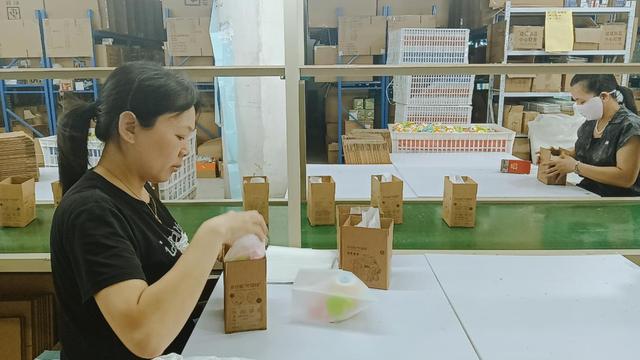
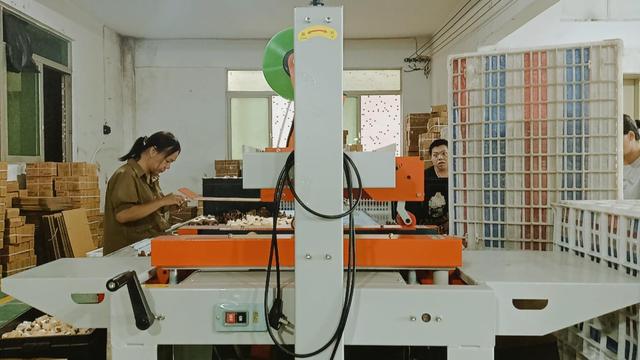
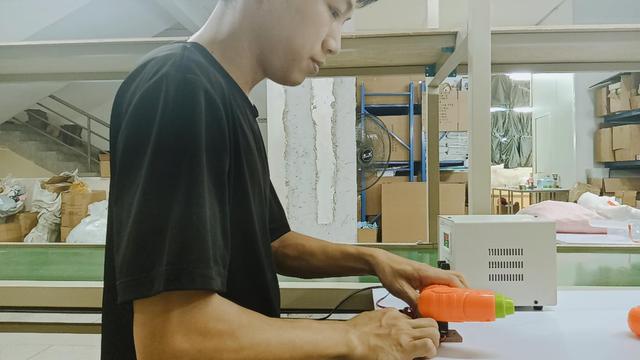
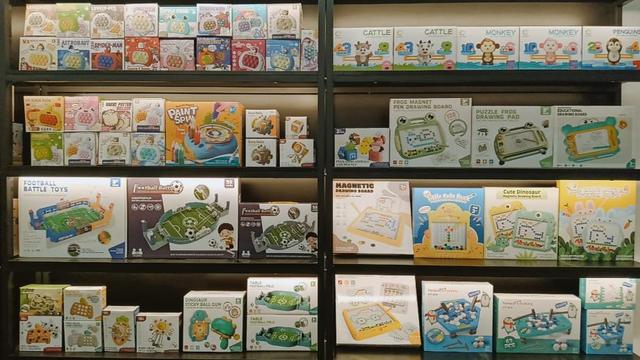
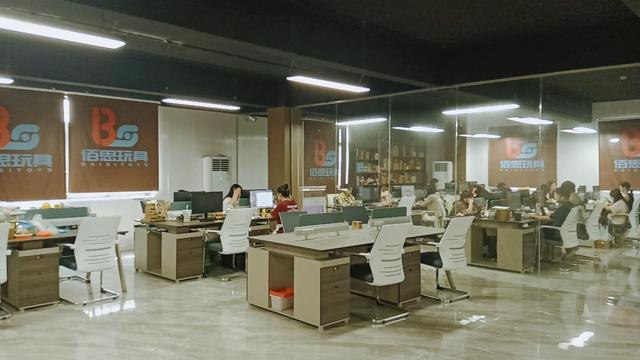
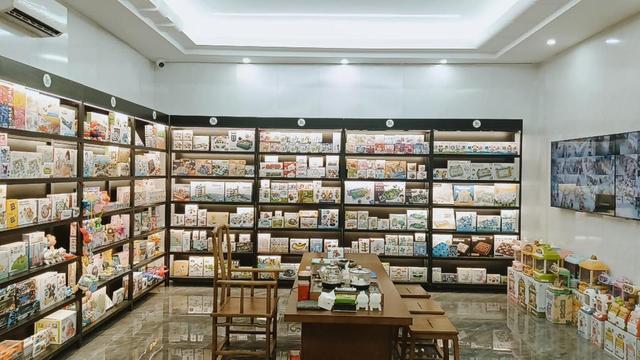
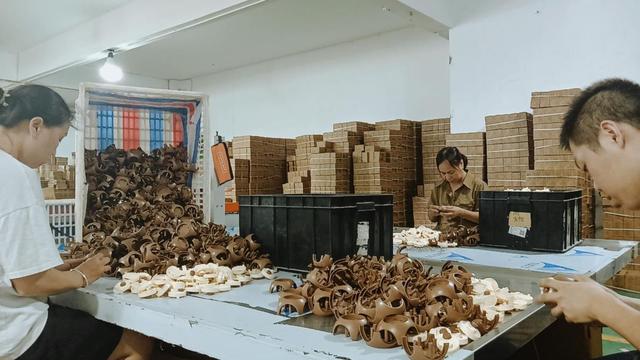
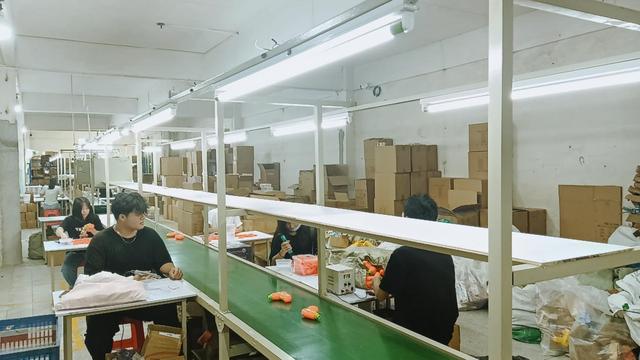
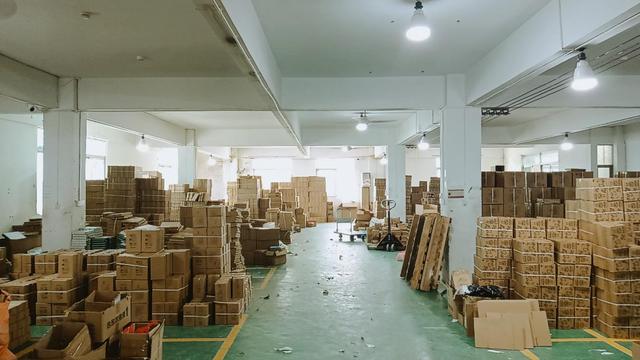
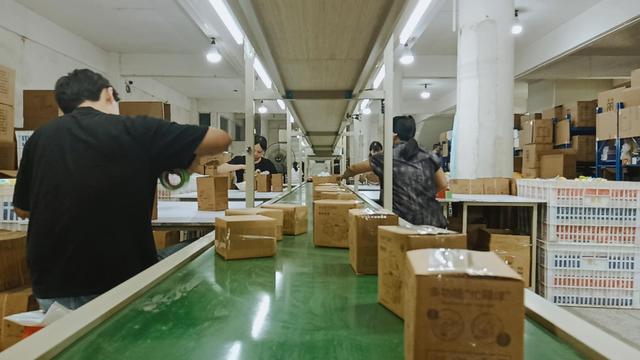
Translating cognitive products into structured applications across commercial, public, and healthcare ecosystems.
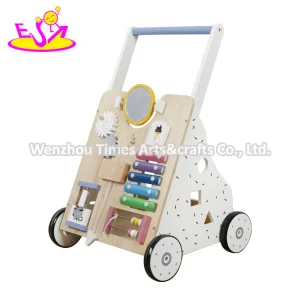
Institutional educational networks require highly durable, stackable, and easily sanitized educational items. Wooden walkers, cognitive tables, and block sets undergo continuous sterilization and heavy daily use. Custom orders for ECE networks focus on robust joints, cleanable varnishes, and branded aesthetic styles.
Occupational therapy clinics utilize specialized speech-support machines and tactile items like busy boards to treat children diagnosed with neurodevelopmental differences. Sourcing specifications here demand high sensory fidelity, clear visual cues, and materials that accommodate targeted therapy regimes.
For mass-market department stores and specialty boutiques, visual appeal and packaging design drive retail conversion rates. Eco-friendly packaging, FSC label alignment, and high-impact structural features (such as magnetic drawing boards and 3D puzzle sets) help products stand out on shelves.
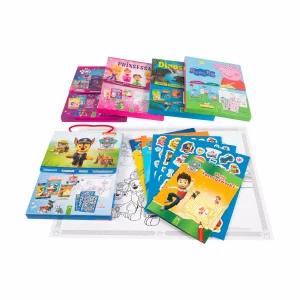
Corporate wellness initiatives and luxury resorts purchase custom educational sets for child-care zones. High-end wooden balance toys and custom sticker books are designed to match brand colors while providing safe, engaging play options.
Direct answers to the regulatory, mechanical, and logistical questions frequently asked by enterprise procurement managers.
Our products undergo testing at international laboratories (such as SGS, TUV, and Intertek) to ensure compliance with ASTM F963 (US), EN71 Parts 1, 2 & 3 (EU), CPSIA (US), CE (Europe), CCPSA (Canada), and AS/NZS ISO 8124 (Oceania). We provide comprehensive Test Reports and Children's Product Certificates (CPC) for customs clearance support.
We use FSC (Forest Stewardship Council) certified wood sources, including premium beechwood, Baltic birch plywood, and fast-growing rubberwood. This guarantees our raw materials are harvested from responsibly managed forests that support local biodiversity and respect indigenous land rights.
For custom plastic injection components, mold design and sampling take approximately 30 to 45 days. Wooden prototypes can be developed within 10 to 15 days using CNC routers. Standard OEM project Minimum Order Quantities (MOQs) typically range between 1,000 to 3,000 units, depending on the product's size and complexity.
Yes, we use water-based, solvent-free lacquers and non-toxic paint systems. All pigments and glues are thoroughly tested to verify they fall below detectable limits for heavy metals, phthalates, and formaldehyde, ensuring safety even for infants who explore toys with their mouths.
Our facilities utilize automated CNC woodworking machinery to maintain physical dimensions within tight tolerances. Infrared optical sensors and inline weight-check scales screen parts for structural anomalies prior to assembly, keeping defection rates below 0.15% in bulk orders.
Premium Montessori puzzles, fine-motor training tools, and developmental board games for retail distribution networks.
 Ebid Toy