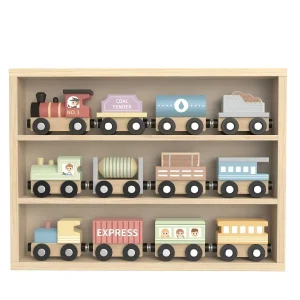
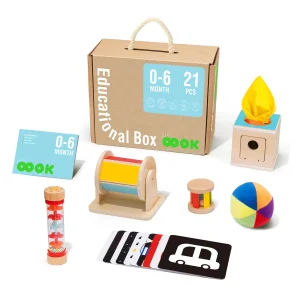
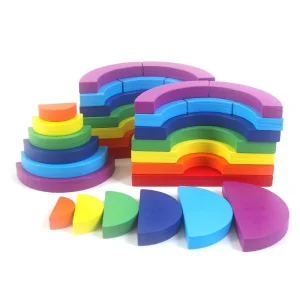
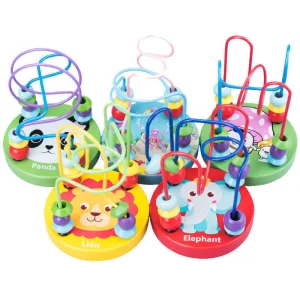
Industrial-Grade Compliance, Natural Hardwood Construction, and Precision Craftsmanship
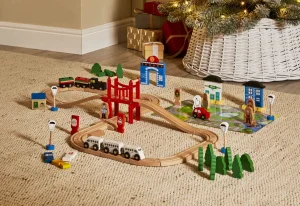
The global market for early childhood educational playthings is experiencing an unprecedented structural shift. Pedagogical models such as the Montessori method, Reggio Emilia, and Waldorf have transitioned from niche educational systems to mainstream consumer paradigms. Driven by increasing household disposable incomes and a heightened awareness of neurological developmental windows in infants and toddlers, global demand for premium wooden toys has soared.
Distributors, brand owners, and educational buyers are seeking partners who understand that a true Montessori toy is not merely a plaything, but a carefully engineered scientific instrument. These objects must facilitate self-directed activity, sensory isolation, and hands-on learning. As safety requirements tighten across North America and Europe, global supply chains must align with zero-formaldehyde emissions, carbon neutrality targets, and ethical manufacturing frameworks.
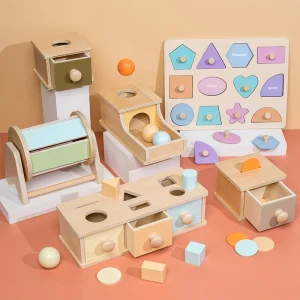
Montessori theory dictates that toys should offer a "control of error" mechanism. If a shape does not fit, the child must be able to visually or tactually notice the issue without adult intervention. Achieving this degree of precision requires high-accuracy CNC wood cutting, stable wood seasoning to prevent warping, and clean edge beveling. This requires factories to operate at the intersection of traditional woodworking and digital engineering.
B2B importers, DTC brands, and sensory kit subscription services encounter distinct challenges when dealing with generic wooden toy manufacturers. The most pressing friction points in the supply chain include:
Lead, phthalates, and VOCs in paints or glues. Importers face severe penalties and product recalls if their suppliers fail to meet ASTM F963 (US), EN71 (EU), or SOR/2011-17 (Canada) standards.
Splinters, loose choking hazards, and structural failures under impact. A single sharp corner or weakly glued piece can ruin a brand's reputation and prompt legal action.
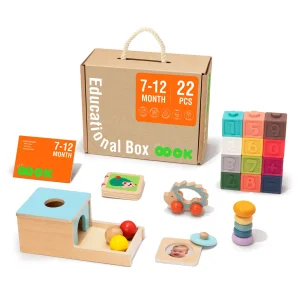
Traditional wood factories often require massive MOQs for simple changes. In contrast, today's brands require agile ODM capabilities to create bespoke subscription boxes targeting micro age-brackets.
The Zhejiang region, specifically industrial centers like Hangzhou, represents the peak of toy manufacturing integration. Far from being simple assembly lines, modern Chinese factories utilize advanced technologies to guarantee quality at scale. Integrated supply chains allow raw timber (often imported sustainably from Germany, New Zealand, or North America) to be processed, milled, finished, packed, and exported from a single localized ecosystem.
By leveraging Industry 4.0 automation, factories can maintain precise moisture control chambers to prep the timber, preventing cracking in dry target climates. Automated robotic sanding machines achieve silk-smooth finishes, and high-performance digital UV printing allows for organic pigments to bind directly with the wood grain, eliminating the risk of paint chipping. This level of process integration is critical for maintaining consistency across high-volume production runs.
As a leading China educational toys manufacturer, our facilities feature modern production technologies and comprehensive quality control systems. We ensure every product meets international safety standards through raw material testing (FSC traceability), chemical analysis (saliva and sweat resistance), physical load tests, and torque tests for small parts.
Hangzhou Ebid Toy Co., Ltd. is a leading China educational toys manufacturer specializing in the design, development, and production of STEM, Montessori, and early learning toy solutions. With years of experience in the children's educational products industry, Ebid Toy is committed to creating innovative, safe, and engaging toys that inspire creativity, learning, and cognitive development for children around the world.
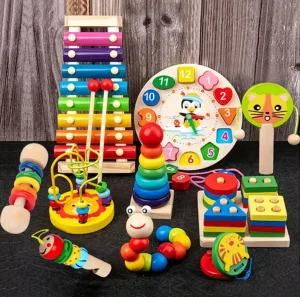
Our extensive product portfolio includes STEM educational toys, Montessori learning toys, wooden educational toys, puzzles, building blocks, sensory toys, science experiment kits, interactive learning games, and early childhood development products. Designed to combine fun with education, our products help children improve problem-solving abilities, motor skills, logical thinking, creativity, and social interaction.
At Ebid Toy, quality and safety are at the heart of everything we do. Our modern manufacturing facilities are equipped with advanced production technologies and comprehensive quality control systems to ensure every product meets international safety standards and customer expectations. We carefully select environmentally friendly materials and conduct strict testing procedures to guarantee product durability and child safety.
As a trusted OEM and ODM educational toy factory in China, we provide one-stop customization services, including product design, mold development, packaging solutions, logo printing, and private label manufacturing. Our experienced R&D team continuously follows global educational trends and develops innovative products tailored to different markets and customer requirements.
Serving customers across North America, Europe, Southeast Asia, the Middle East, and other international markets, Hangzhou Ebid Toy Co., Ltd. has established long-term partnerships through superior quality, reliable service, and continuous innovation.
Ebid Toy is dedicated to becoming your trusted partner for educational toys, delivering creative learning solutions that help children learn, explore, and grow through play.
Different target markets require tailored product offerings to maximize margin and market penetration:
Navigating standards, customizations, and supply chain logistics for B2B buyers
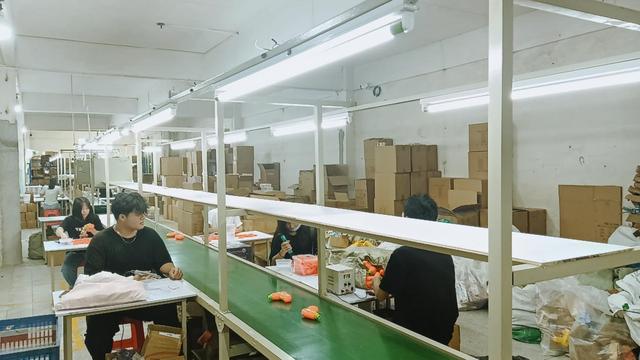
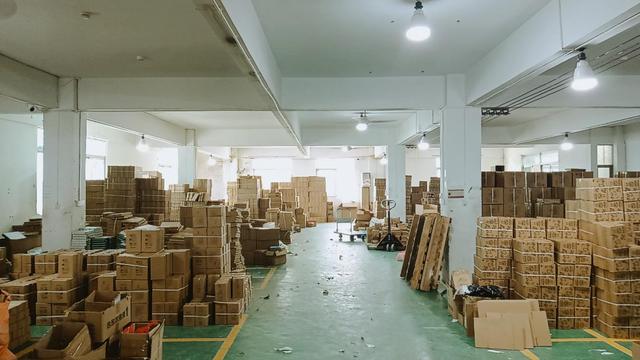
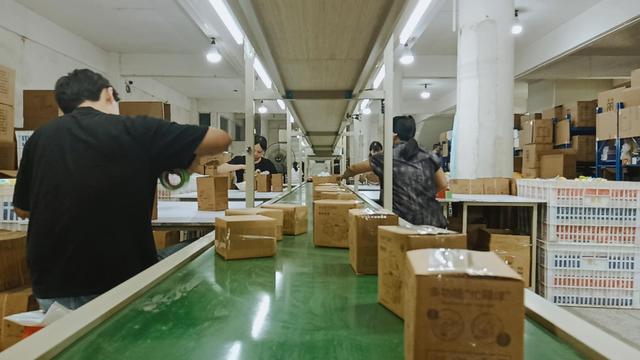
Inside our state-of-the-art manufacturing facility in Hangzhou, China
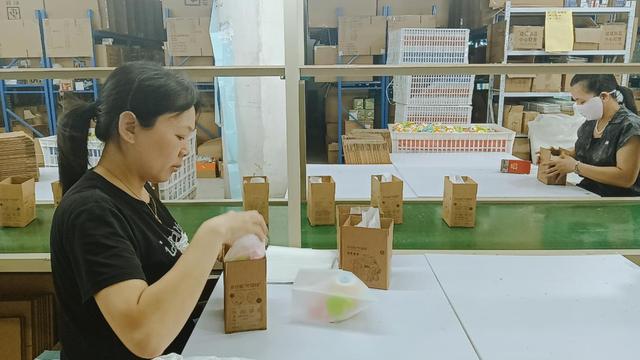
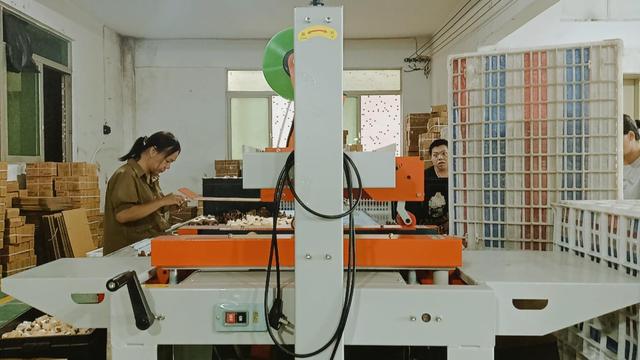
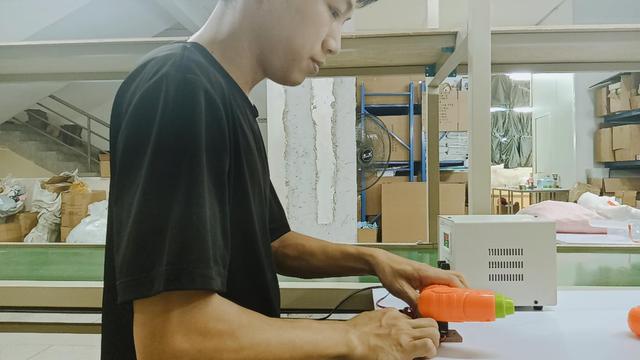
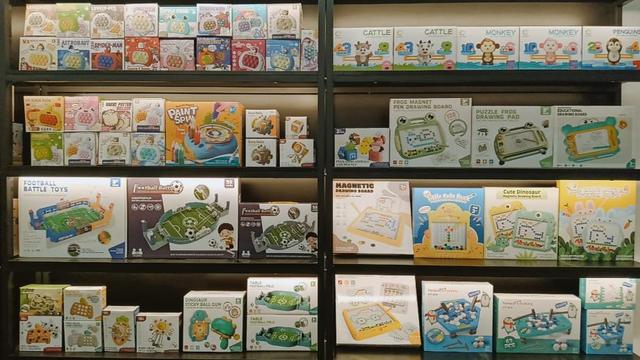
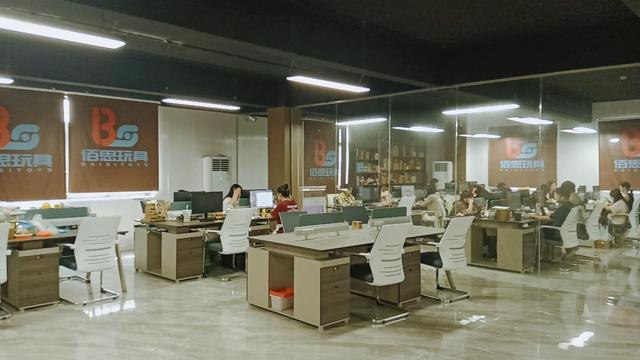
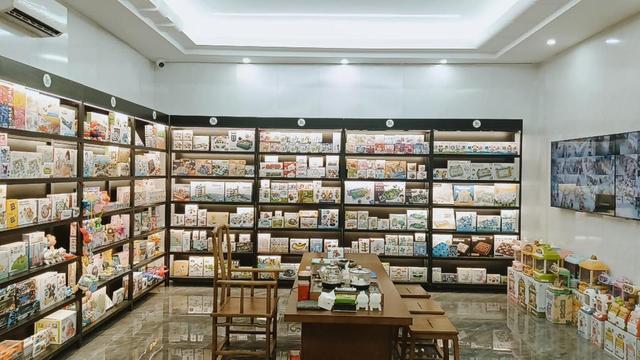
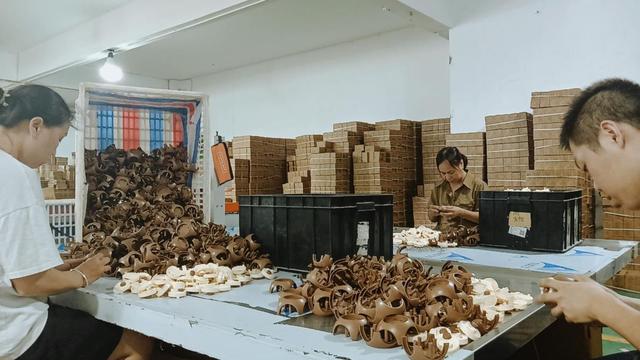
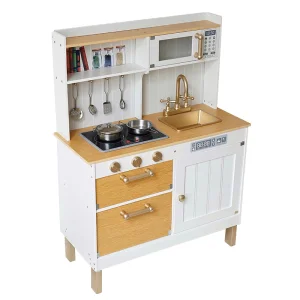
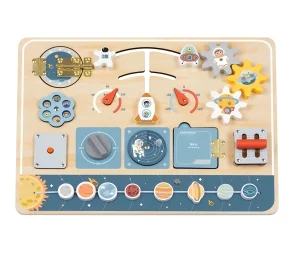
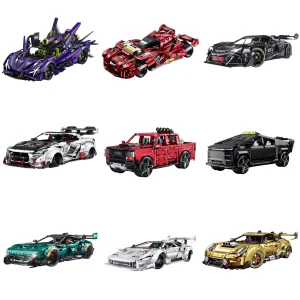
Explore our fully customizable ODM range ready for worldwide logistics distribution
 Ebid Toy