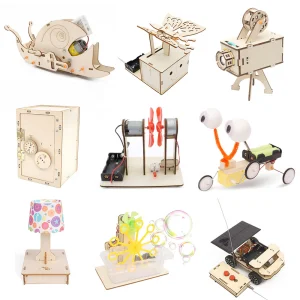
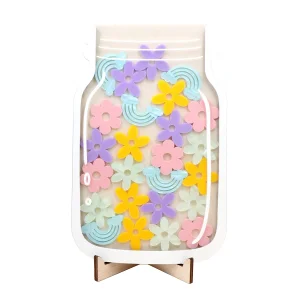
High-quality, curriculum-aligned toys engineered to cultivate critical logical thinking and computational literacy.
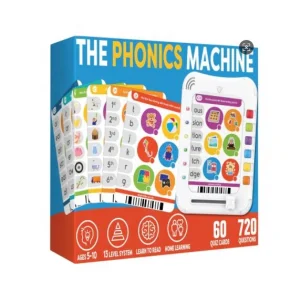
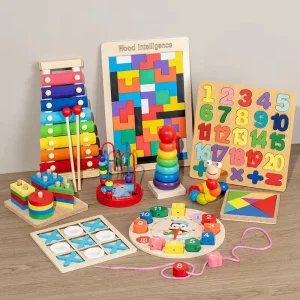
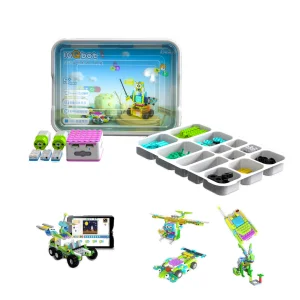
Analyzing the paradigm shift in elementary, junior high, and high school academic guidelines.
Japan’s Ministry of Education, Culture, Sports, Science and Technology (MEXT) implemented the GIGA School Concept (GIGAスクール構想) to provide one computer/tablet device per child, making physical programming toys vital resources in schools.
Beginning in preschool and kindergarten, STEM toys that bridge tactile play with logical programming sequences are highly sought after by Japanese educators to build spatial reasoning and foundational algorithmic thinking.
Japanese educational toy importers place immense priority on the Food Sanitation Act and the local ST (Safety Toy) standards. Securing certified lead-free, non-toxic materials is a non-negotiable threshold for entry into Japan's toy market.
Since the introduction of compulsory programming in Japanese elementary schools, the demand for hands-on, tactile coding toys has witnessed an unprecedented surge. Unlike software-only applications, tactile programming instruments bridge the gap between abstract mathematical concepts and concrete spatial actions. This paradigm is crucial in early developmental stages where sensory coordination directly reinforces cognitive neural pathways.
By targeting the specific mechanical engineering curricula deployed in Japanese school boards, Hangzhou Ebid Toy Co., Ltd. supplies hardware kits that directly align with block-based graphical systems (like Scratch) and open-source hardware platforms (like micro:bit and Arduino UNO). This compatibility simplifies lesson planning for teachers and enhances student engagement across educational institutions nationwide.
Why Japanese distributors rely on Hangzhou Ebid Toy Co., Ltd. for OEM/ODM product pipelines.
Hangzhou Ebid Toy Co., Ltd. sits in the heart of China’s premium manufacturing and technological hub, allowing for rapid sourcing of high-grade electronic microcontrollers, certified sustainably harvested wood, and child-safe high-impact plastics. The integrated manufacturing pipeline dramatically reduces lead times, giving Japanese importers a competitive edge in product launches for academic seasons.
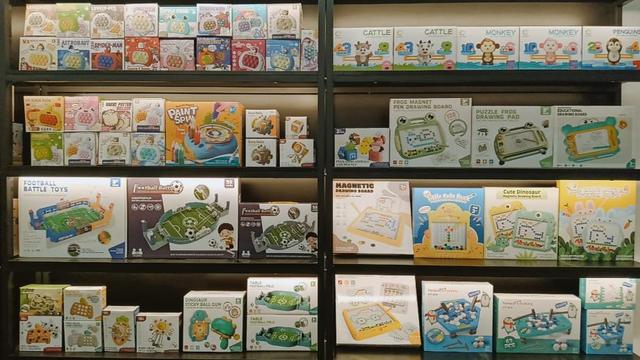
Explore our extensive range of high-grade hardware kits, smart companions, and Montessori materials.
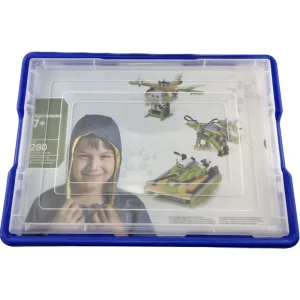
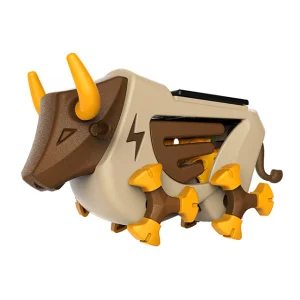
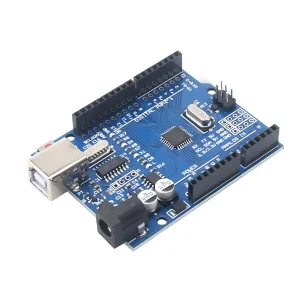
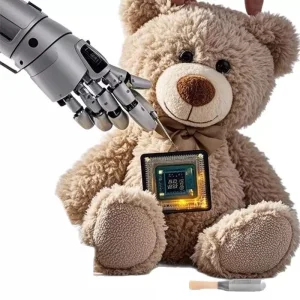
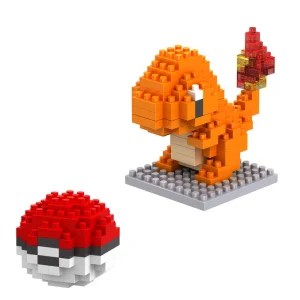
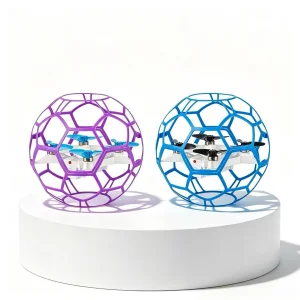
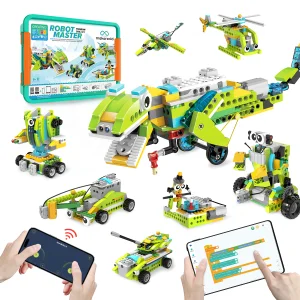
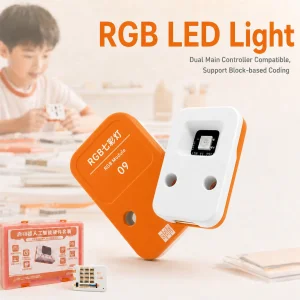
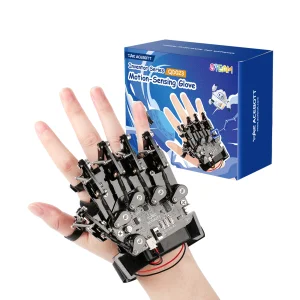
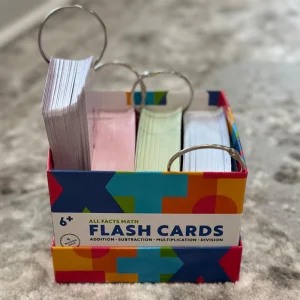
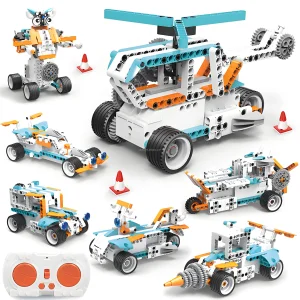
Deploying hands-on physical programming instruments to enhance pedagogical efficiency.
By employing modular sensor systems combined with visual block editors (Scratch), schools can seamlessly implement programming principles within traditional math and science lessons. Tactile feedback helps students visualize abstract concepts, making digital literacy feel natural and intuitive.
Juku (cram schools) require robust, highly scalable, and reusable robotics kits that can accommodate multiple students. The ESP32 and Arduino UNO series, configured with solderless breadboards, provide the ideal playground for advanced hardware programming courses.
To capture family buyers looking for home edutainment, we supply customized packaging designs and localized instruction manuals that present logical thinking as a fun, shared family activity. The integration of local certification parameters, detailed safety warning placements, and high-quality aesthetic designs supports successful retail shelf placement throughout Japan.
Our production schedules match typical Japanese procurement timelines. We prioritize manufacturing slots ahead of the April academic year start to guarantee that national distributors and institutional suppliers receive their bulk inventory well in advance.
Detailed solutions addressing supply chain, safety certifications, custom development, and logistics for Japanese importers.
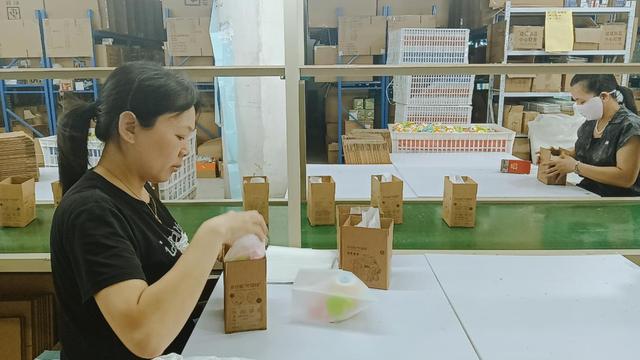
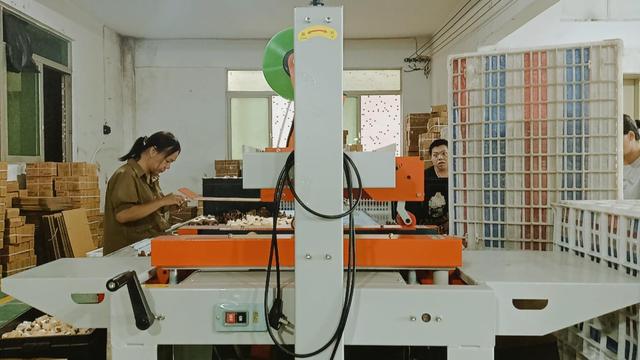
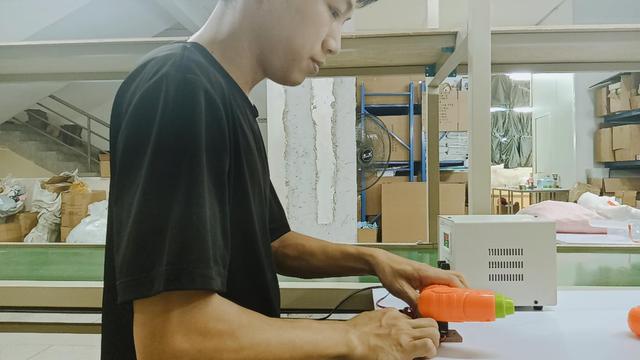
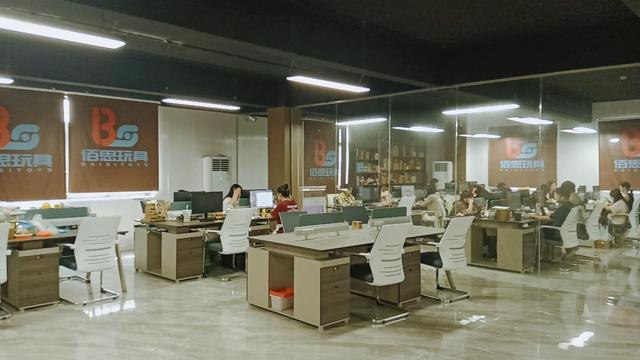
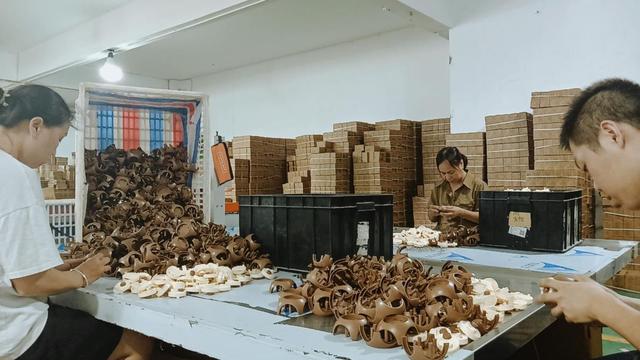
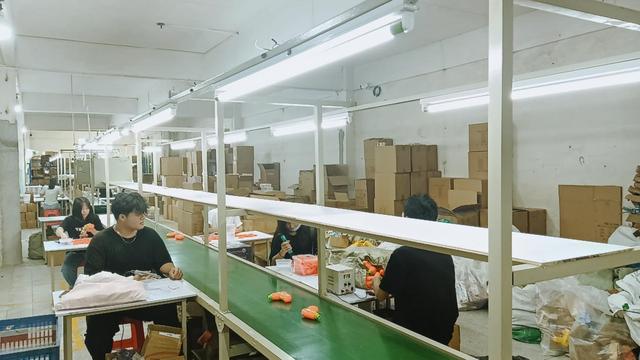
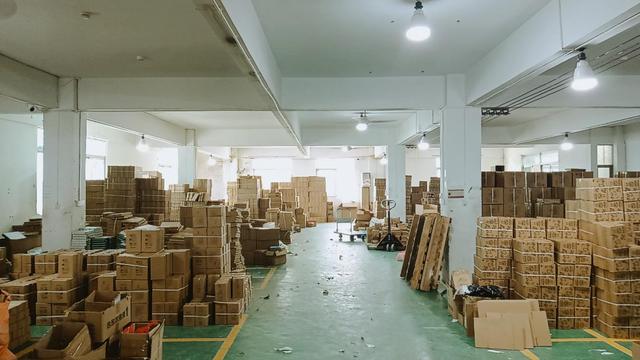
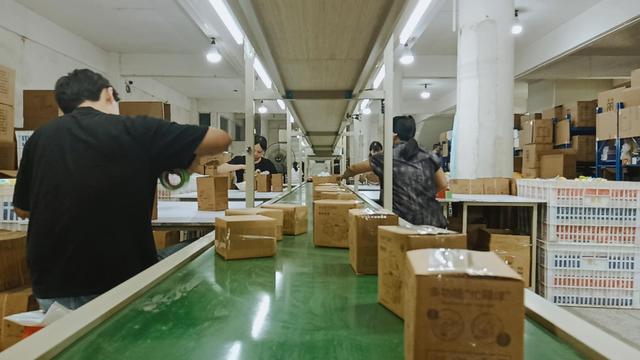
Take a virtual tour through our advanced production lines, assembly departments, and rigorous quality inspection labs.

 Ebid Toy