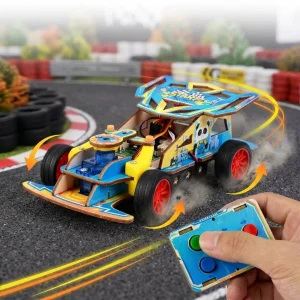
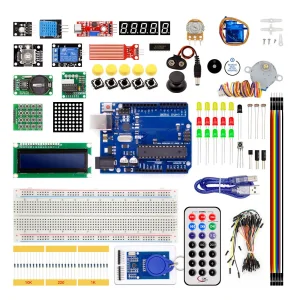
Innovative, non-toxic, and safety-certified educational products engineered for cognitive progression
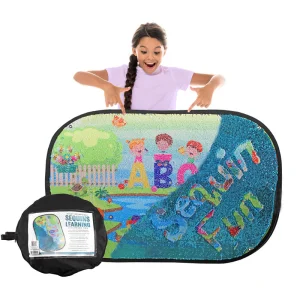
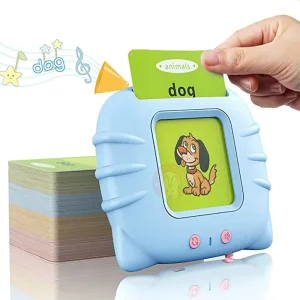
The strategic shift toward eco-responsibility in early childhood education procurement.
The global educational toys market is undergoing a structural transformation. Driven by stringent environmental policies, corporate ESG commitments, and a generation of highly conscious consumers, procurement executives are actively migrating away from traditional single-use petrochemical plastics. Today, sustainable learning toys represent the fastest-growing sub-segment in the global toy industry, with projected compound annual growth rates (CAGR) exceeding 9.8% through 2030.
For B2B buyers, educational brands, and institutional distributors, selecting the right partner involves assessing more than basic manufacturing capacities. It requires a comprehensive verification of chemical safety (non-toxic polymers, water-based finishes), supply chain resilience, and global testing compliance (ASTM F963, EN71, CPSIA). In this whitepaper, we dissect the manufacturing ecosystem of the top sustainable learning toy suppliers, analyzing how regional clusters, such as the Zhejiang toy export corridor, offer competitive advantages in both raw material integration and logistics execution.
"Modern educational toy sourcing is no longer just a transaction of units; it is a verification of sustainable raw materials, supply chain carbon footprints, and comprehensive regulatory clearance."
An objective benchmark analysis of the industry's leading manufacturers.
Dominating global supply chains with advanced infrastructure, specialized machinery, and vertically integrated manufacturing ecosystems.
Pioneering bio-plastics, FSC-certified beechwood, water-based finishes, and food-grade silicone structures for infant toys.
Rigorous regulatory verification, from EN71 to ASTM, ensuring safe exports to strict North American and European markets.
Globally, the top 10 suppliers of eco-friendly and learning toys distinguish themselves by balancing materials innovation with large-scale production. While European brands excel in high-end design, Chinese manufacturers have rapidly modernized their facilities to offer unmatched OEM/ODM speed, cost efficiencies, and compliance. Below is an overview of the key supply profiles defining this sector:
| Supplier Type / Region | Core Material Specialization | Key Certifications | Lead Time Range | Primary Sourcing Focus |
|---|---|---|---|---|
| Hangzhou Ebid Toy Co., Ltd. (China) | STEM, Montessori, FSC Beechwood, Bio-silicone | CE, EN71, ASTM, FSC, BSCI, ISO9001 | 25 - 35 Days | High-volume custom OEM/ODM development |
| European Eco-Design Hubs | Recycled Cardboard, Local Timber | FSC, CE, PEFC | 45 - 60 Days | Boutique custom brands & high-premium design |
| Southeast Asian Exporters | Rubberwood, PlanToys composite wood | ISO 14001, ASTM | 40 - 50 Days | Middle-tier wooden educational toys |
| North American Domestic Suppliers | Recycled Milk Jugs (HDPE) | FDA Food Contact, CPSIA | 20 - 30 Days | Quick-turn localized institutional replenishment |
An in-depth review of a leading Chinese educational toy manufacturer's capabilities.
Hangzhou Ebid Toy Co., Ltd. is a leading China educational toys manufacturer specializing in the design, development, and production of STEM, Montessori, and early learning toy solutions. With years of experience in the children's educational products industry, Ebid Toy is committed to creating innovative, safe, and engaging toys that inspire creativity, learning, and cognitive development for children around the world.
Our extensive product portfolio includes STEM educational toys, Montessori learning toys, wooden educational toys, puzzles, building blocks, sensory toys, science experiment kits, interactive learning games, and early childhood development products. Designed to combine fun with education, our products help children improve problem-solving abilities, motor skills, logical thinking, creativity, and social interaction.
At Ebid Toy, quality and safety are at the heart of everything we do. Our modern manufacturing facilities are equipped with advanced production technologies and comprehensive quality control systems to ensure every product meets international safety standards and customer expectations. We carefully select environmentally friendly materials and conduct strict testing procedures to guarantee product durability and child safety.
As a trusted OEM and ODM educational toy factory in China, we provide one-stop customization services, including product design, mold development, packaging solutions, logo printing, and private label manufacturing. Our experienced R&D team continuously follows global educational trends and develops innovative products tailored to different markets and customer requirements.
Serving customers across North America, Europe, Southeast Asia, the Middle East, and other international markets, Hangzhou Ebid Toy Co., Ltd. has established long-term partnerships through superior quality, reliable service, and continuous innovation.
Ebid Toy is dedicated to becoming your trusted partner for educational toys, delivering creative learning solutions that help children learn, explore, and grow through play.
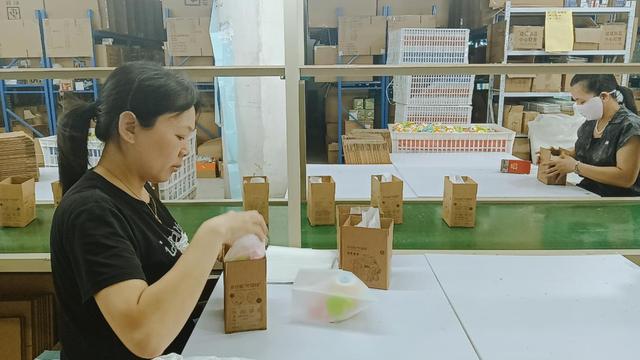
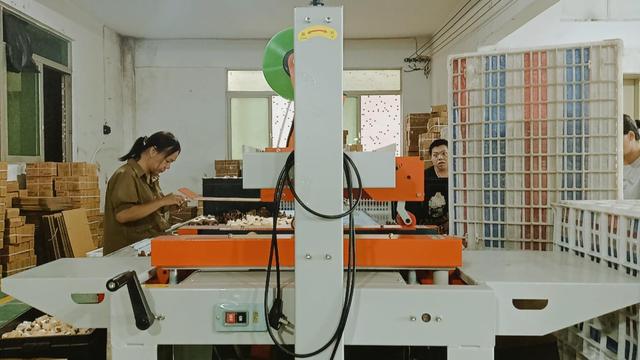
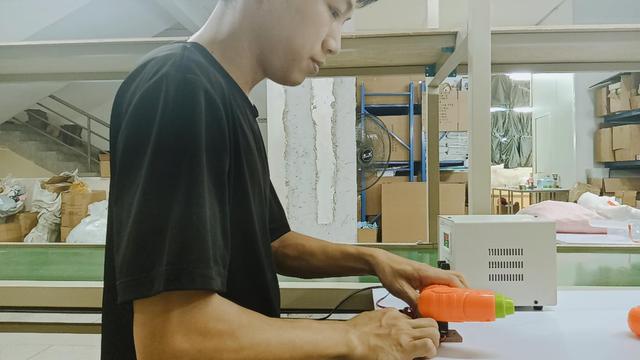
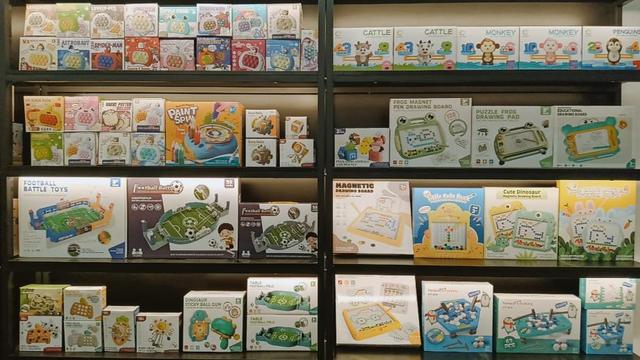
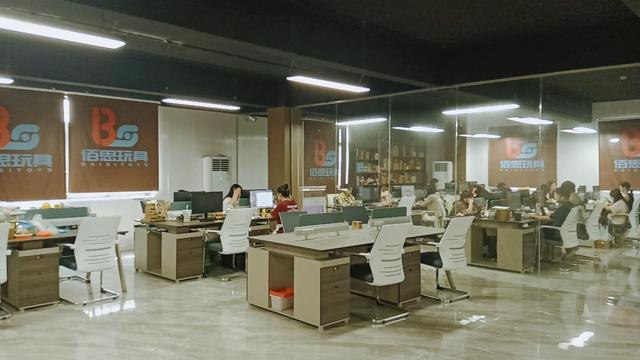
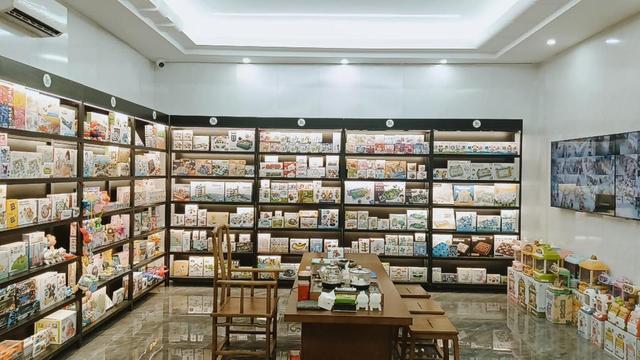
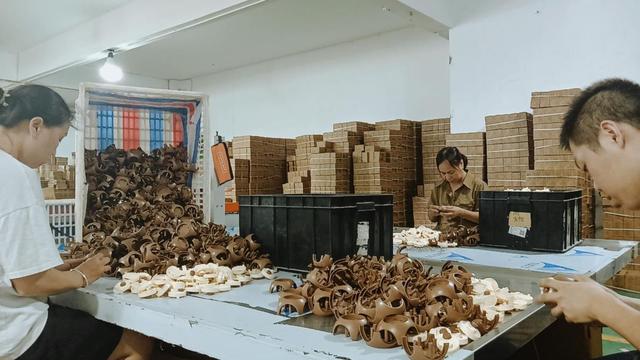
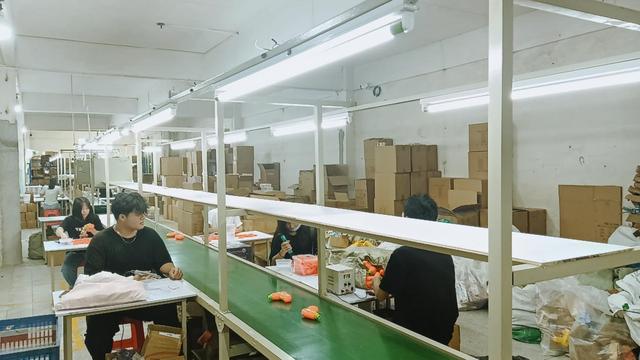
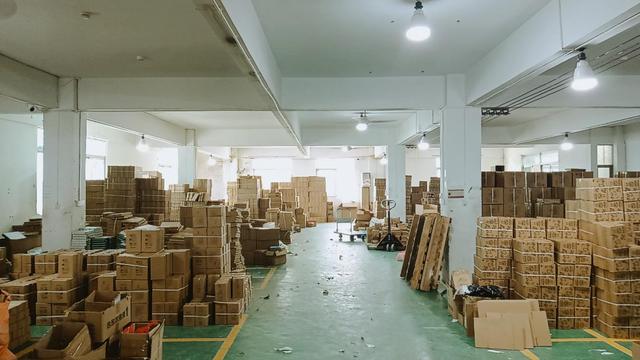
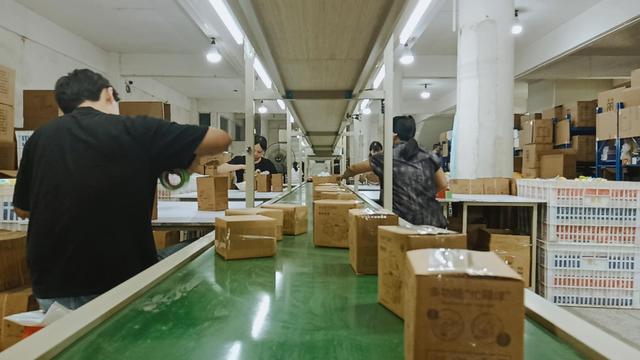
To demonstrate production authenticity and adherence to high-quality international manufacturing standards, Hangzhou Ebid Toy Co., Ltd. maintains a state-of-the-art facility featuring dust-free spray painting booths, high-speed wood cutting machinery, and comprehensive physical testing labs. The following imagery showcases our physical plant, clean production floors, raw material processing lines, and extensive showrooms:
Analyzing the cluster effect in Zhejiang and how it optimizes manufacturing margins.
Zhejiang Province stands at the heart of global wooden and learning toy manufacturing. By leveraging localized supply clusters, factories achieve massive economies of scale that are impossible to duplicate elsewhere. Here is how this ecosystem benefits global buyers:
B2B procurement managers must weigh multiple criteria beyond the unit price. While other manufacturing hubs may offer lower basic labor rates, China's total cost of ownership (TCO) remains highly competitive due to unmatched logistics speed and infrastructure.
| Evaluation Parameter | Zhejiang Sourcing Cluster | Emerging Asian Markets | Domestic Localized Sourcing |
|---|---|---|---|
| Material Certifications | FSC Certified, REACH, CARB Phase II | FSC (Limited), Local Timber | FSC Certified (Premium Cost) |
| Tooling & Mold Costs | Low - Moderate (Fast turnaround) | High (Requires imported tooling) | Prohibitively High |
| Supply Chain Speed | Fast (Prototype to market in 15 days) | Slow (Complex raw material imports) | Very Fast (If stock is available) |
| Customization Scope | Extensive OEM/ODM capabilities | Limited (Standardized catalog options) | High Custom (Extremely expensive) |
Navigating chemical, mechanical, and environmental safety benchmarks across jurisdictions.
Educational toys are subject to some of the strictest safety regulations in consumer goods. For institutional buyers, compliance failures can result in costly customs delays, product recalls, and brand damage. Understanding these regional standards is critical:
EN71 governs toy safety in the EU. It is divided into multiple sections, including Mechanical and Physical Properties (EN71-1), Flammability (EN71-2), and the Migration of Certain Elements (EN71-3). The migration test restricts 19 toxic heavy metals (like lead, cadmium, and organic tin) in toy materials, paint finishes, and adhesives.
In the US, ASTM F963 is the primary toy safety standard, reinforced by the Consumer Product Safety Improvement Act (CPSIA). In addition to physical testing for small parts, CPSIA strictly limits lead content to a maximum of 90 ppm in surface coatings and 100 ppm in substrate materials, alongside tight regulations on phthalate plasticizers in vinyl and silicone elements.
For sustainable wooden learning toys, Forest Stewardship Council (FSC) certification ensures that materials are harvested from responsibly managed forests. A valid FSC Chain of Custody certificate verifies that certified wood remains segregated from non-certified materials throughout the production process, from forest to final product.
Pro-Tip for Sourcing Directors: Always request testing reports generated by ISO/IEC 17025 accredited third-party laboratories (such as SGS, TÜV Rheinland, or Intertek) issued within the past 12 months. Do not accept self-declaration certificates.
Optimizing procurement strategies based on your distribution model and channel requirements.
Whether you represent a subscription box brand, a school supply chain, or an e-commerce brand, your procurement strategies should align with your specific target audience and business objectives:
To launch a new learning toy, planning for key phases is critical to avoiding retail bottlenecks and seasonal shipping delays:
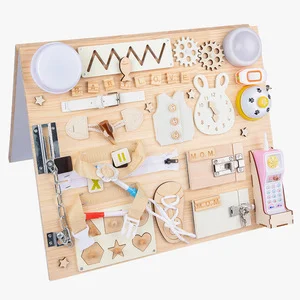
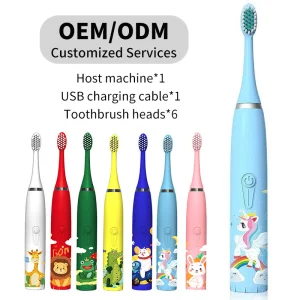
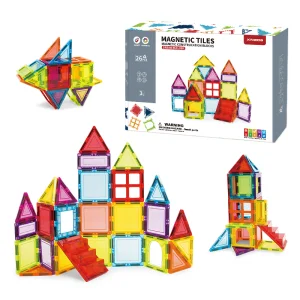
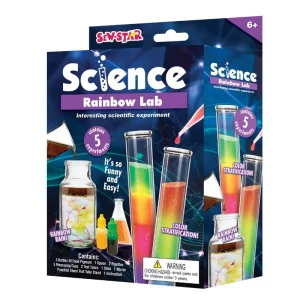
Explore our complete catalog of sustainable Montessori and interactive learning products
Answers to common questions regarding customs, materials compliance, and order minimums.
An FSC 100% label confirms that all wood materials originate from FSC-certified, responsibly managed forests. FSC Mixed indicates the product uses a blend of FSC-certified wood, recycled material, or controlled timber sources. For premium eco-positioning, FSC 100% is the preferred industry standard.
Leading manufacturers like Ebid Toy utilize specialized wood-drying kilns to control and monitor moisture levels. For major export markets in Europe and North America, wood moisture is stabilized between 8% and 12% to prevent warping, shrinking, or cracking during long-distance ocean transit and climate changes.
While standard catalog items may feature lower minimums (e.g., 500 units), custom packaging, custom color configurations, and custom printed elements typically require an MOQ of 1,000 to 2,000 units. This is based on offset printing run requirements and raw material preparation scales.
Yes. Premium multi-layer water-based coatings are engineered to resist sweat, saliva, and mild sanitizers. When cured under UV or temperature-controlled ovens, these finishes pass cross-cut tape adhesion tests, ensuring long-term durability and safety for classrooms and nurseries.
First, verify their BSCI, Sedex, or ISO registration number. Second, request an original PDF of a third-party laboratory test report (e.g., from SGS or Intertek) and cross-reference the report ID directly on the testing agency's official database. Working with partners who maintain a transparent factory footprint is key to minimizing risk.
 Ebid Toy