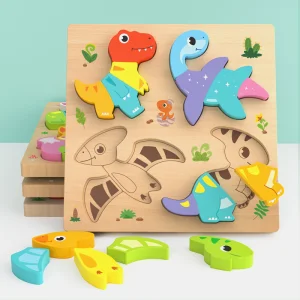
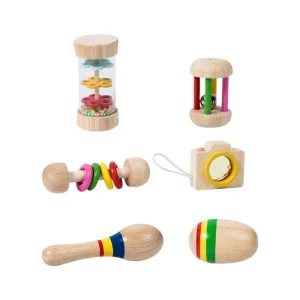
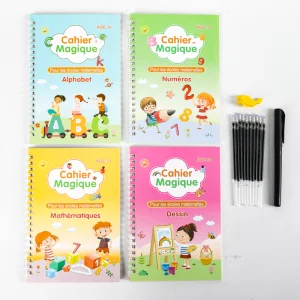
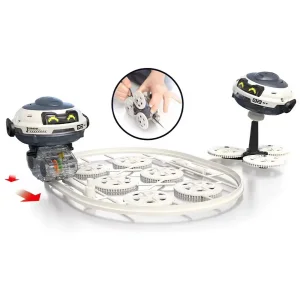
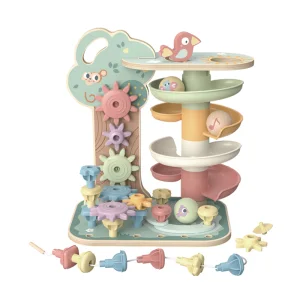
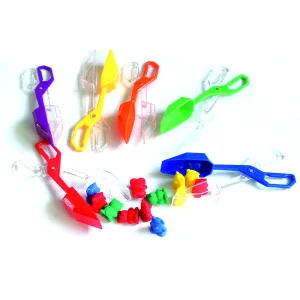
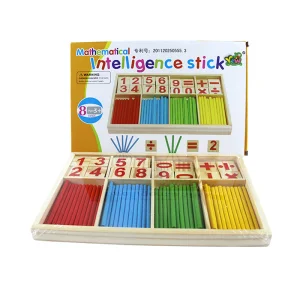
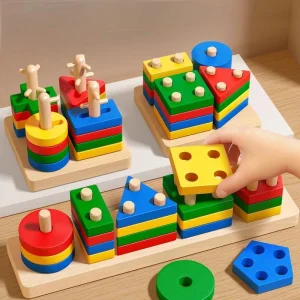
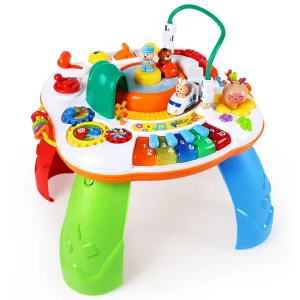
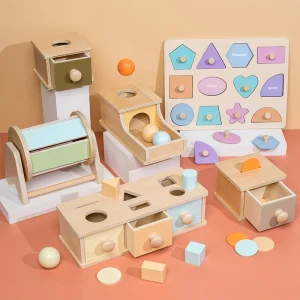
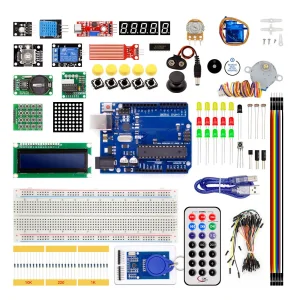
In the contemporary educational technology landscape, computational thinking has shifted from a secondary discipline to a foundational core skill. As early learning frameworks worldwide integrate digital literacy, global distributors and brand owners seek physical products that bridge tactile exploration with virtual programming. Physical coding kits provide a tactile interface for abstract code, creating sensory neural connections that screens alone cannot replicate. This physical-to-digital synergy is the bedrock of modern STEM (Science, Technology, Engineering, and Mathematics) pedagogy.
As a specialized OEM/ODM manufacturer, Hangzhou Ebid Toy Co., Ltd. leads this market evolution. We design educational toy systems that cultivate critical thinking, algorithmic logic, and fine motor skills. Our platforms span simple screenless programming devices for early learners to advanced IoT, RFID, and microcontroller-driven construction kits for primary and middle school education. By engineering systems that accommodate varying cognitive developmental stages, we help brands offer cohesive learning paths.
Designed for early stages (ages 3-6) utilizing physical blocks, directional puzzle layouts, RFID commands, and active sensory tracks that teach sequencing and loops without digital screen fatigue.
Supports seamless translation from physical visual block play (based on Scratch or Blockly structures) to text-based micro-script interfaces like Python and C++, scaling with the student's age.
Engineered with smart magnetic connectivities, integrated gyroscopic stability sensors, high-precision stepper motors, and cross-compatibility with structural plastic and wooden blocks.
Hangzhou Ebid Toy Co., Ltd. is an educational toy developer specializing in custom STEM, Montessori, and early childhood learning products. Working with international brands, retail chains, and educational institutions, we translate conceptual engineering designs into market-ready retail products. From custom component tooling and PCB assembly (PCBA) to target software localization and packaging, we manage the entire value chain.
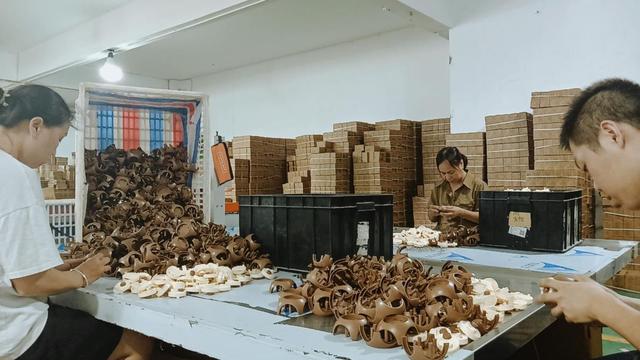
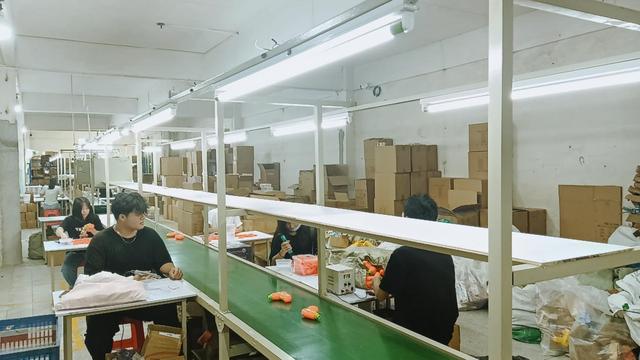
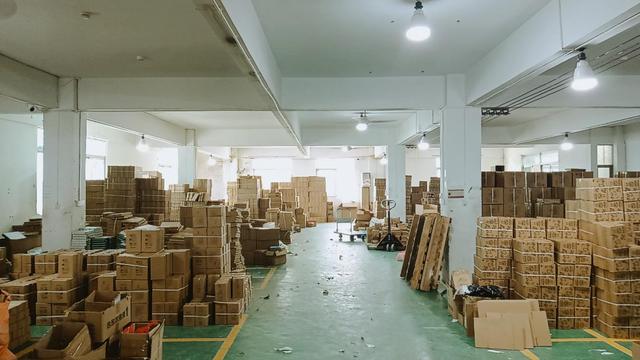
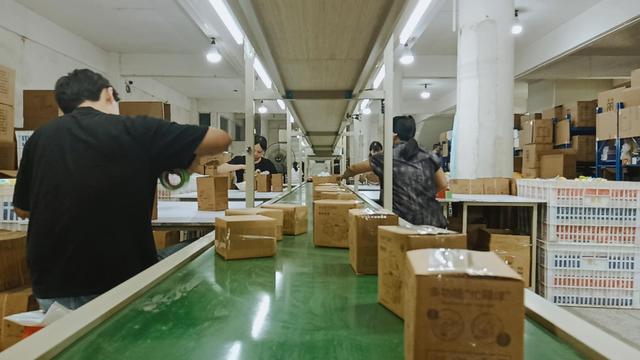
Our production facilities in China combine automated manufacturing workflows with manual craftsmanship. We utilize precision injection molding, lead-free SMT lines for electronics, eco-friendly printing, and automated testing equipment. Below is a look inside our manufacturing facilities and engineering centers, demonstrating our focus on quality control, structural safety, and high-efficiency operations.
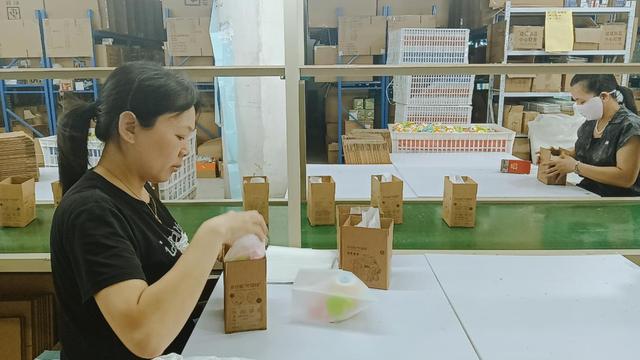
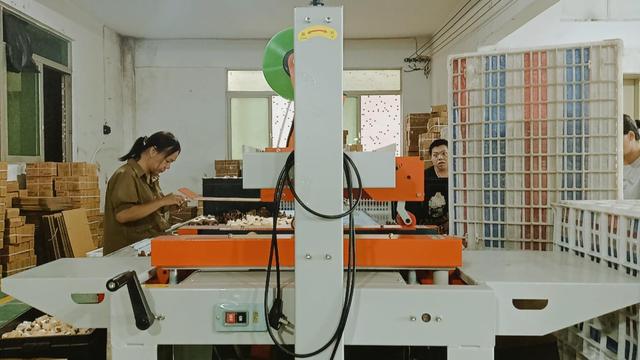
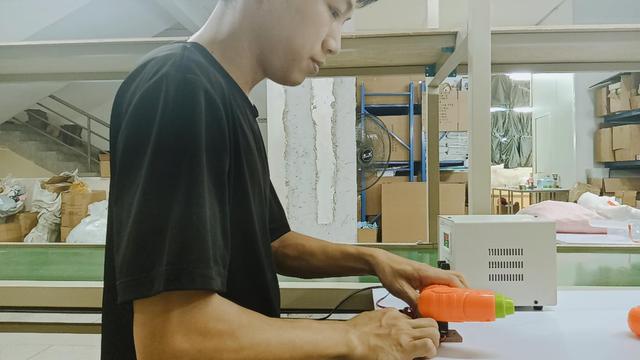
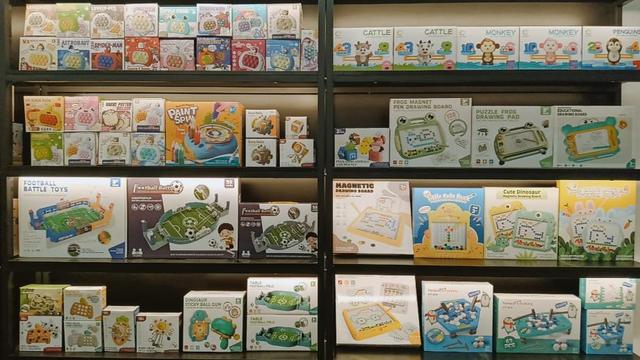
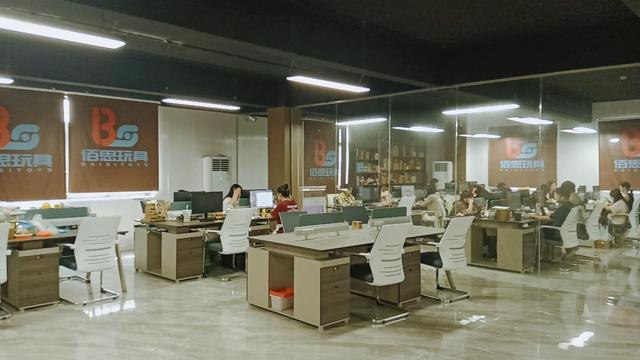

A successful smart coding kit requires balancing electronic design, mechanical durability, and child psychology. Working with Ebid Toy allows you to leverage our engineering capabilities across both hardware and software. We support custom micro-processing architecture designs, wireless link integrations, sensor setups, and cross-platform companion application development.
| Customization Domain | Standard Specifications Available | Advanced ODM Custom Features |
|---|---|---|
| MCU & Processing | 8-bit RISC microcontrollers, basic memory chips for localized code storage. | ESP32 with dual-core processors, integrated BLE 5.0, Wi-Fi connectivity, and flash storage. |
| Sensor Integration | Basic tactile switches, line-tracking infrared sensors, photosensitive resistors. | Ultrasonic ranging, 6-axis IMU gyroscopes, RFID card readers, speech recognition modules. |
| Chassis & Structure | Non-toxic virgin ABS plastic frames, injection-molded modular joints. | Biodegradable PLA/wood-plastic composites, high-precision magnetic pogo-pin connectors. |
| Software & Apps | Pre-compiled firmware, generic Blockly template app with brand label overlay. | Customized iOS/Android apps, Scratch 3.0 API integrations, local hardware drivers. |
Child safety and durability require high structural integrity. Our mold-making shop produces custom injection tooling that meets strict tolerance parameters. We offer guidance on polymer selection (such as high-impact ABS, PP, and polycarbonates) to ensure drop protection while avoiding cosmetic surface defects. For eco-conscious markets, we process sustainably sourced, FSC-certified beechwood, maple, and organic non-toxic dyes, combining classic wooden toys with modern sensors.
Exporting educational electronics requires compliance with strict safety and radio-frequency standards. Products must navigate chemical material restrictions, structural physical safety requirements, and electromagnetic radiation regulations. Ebid Toy manages this testing landscape for our clients, coordinating documentation and certifications with third-party verification bodies (SGS, TUV, Intertek).
Guaranteed compliance with EN71 (Parts 1, 2, 3) for Europe, and ASTM F963 / CPSIA for North America. We verify lead, heavy metal, and phthalate limits across all plastics, paints, and internal wiring assemblies.
For active smart toys utilizing BLE and Wi-Fi modules, we ensure compliance under FCC Part 15B/C (US), CE RED (Europe), and Telec (Japan) to prevent radio signal interference.
Our products feature safe battery designs, using secured compartments for dry cells or certified polymer packs that comply with UN38.3, IEC 62133, and MSDS requirements for global air transport.
Developing digital-physical coding kits requires access to complex supply networks. Hangzhou Ebid Toy Co., Ltd. leverages China's industrial infrastructure. Our location in Zhejiang places us in proximity to component suppliers, plastic compounders, PCB fabs, firmware design houses, and major shipping ports (Ningbo and Shanghai). This allows us to reduce raw material lead times, accelerate custom tooling processes, and maintain cost advantages.
Through raw material consolidation, automated assembly lines, and efficient supplier management, we help our clients minimize overhead. This enables small and mid-sized educational brands to scale production without high initial capital requirements.
An educational toy relies on the instructional content that accompanies it. Our OEM/ODM service extends beyond hardware customization to support curriculum development and content translation for global markets. We assist partners in aligning user manuals, coding guidebooks, companion applications, and web tutorials with regional standards like the Next Generation Science Standards (NGSS) in the US or CSTA computer science guidelines.
Our engineering and content design teams support translations across major languages (English, French, German, Spanish, Japanese, and Arabic). By localizing syntax terminology, app menus, and instructional content, we help prevent localization issues, ensuring clear, accessible materials for students, teachers, and parents.
The EdTech sector is evolving to incorporate smarter sensor arrays, hybrid offline/online models, and AI integrations. As microcontrollers become more powerful, we are designing kits with built-in voice control and image processing chips capable of running offline ML models. Our engineering team focuses on these technologies to help educational brands design products that keep pace with rapid technological change.
 Ebid Toy