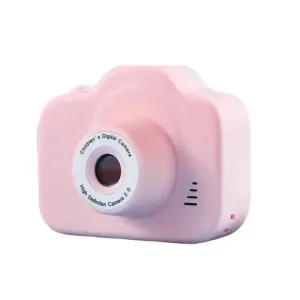
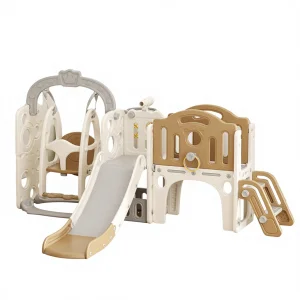
How the convergence of screen-free interactivity, physical components, and "phygital" architecture is redefining B2B procurement standards.
The global educational toys sector is undergoing a massive paradigm shift. As educational boards, sensory experts, and parents raise concerns over unchecked screen time, the B2B landscape is responding by demanding Virtual Learning Toys. These smart devices merge physical manipulation with electronic or AI-guided software, bypassing passive tablet viewing for kinetic, sensory learning. Today's global buyers—spanning K-12 institutional suppliers, large retail chains, and specialized e-commerce brands—are no longer just seeking simple playthings; they require highly integrated smart educational hardware.
From a market size valuation exceeding USD 68 Billion in 2024, the interactive educational hardware market is projected to grow at a CAGR of 12.4% over the next decade. Driven heavily by the integration of IoT, AI voice assistants, and sensory learning modules, the market demands that manufacturers possess not only traditional toy molding capabilities but also robust electronic software and hardware co-development competence. For B2B importers, finding a supplier that marries this technical agility with CE compliance is critical to capturing market share and avoiding costly customs delays.
A deep dive into the research, engineering, and manufacturing capabilities of Hangzhou Ebid Toy Co., Ltd.
As a premier educational toy manufacturer in China, Hangzhou Ebid Toy Co., Ltd. specializes in the design, development, and mass production of STEM, Montessori, and early learning toys. We provide one-stop customization, including mechanical prototyping, electronic design, customized mold fabrication, and compliance-ready packaging.
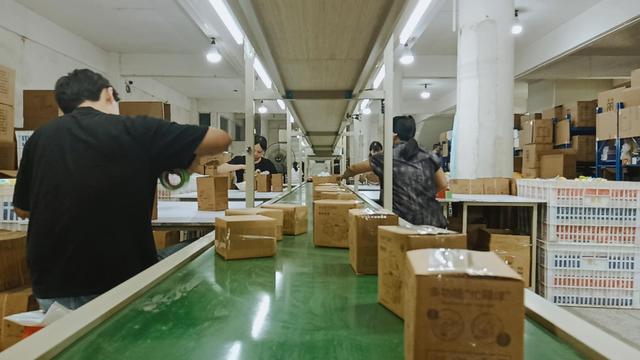
Our modern manufacturing facilities utilize advanced injection molding, automatic SMT placement, and wood fabrication machines. We carefully select eco-friendly, non-toxic raw materials and maintain strict testing protocols to guarantee maximum durability and safety, satisfying rigorous global retailer audits.
Serving B2B clients across North America, Europe, Southeast Asia, and the Middle East, our team remains aligned with international pedagogical methodologies. This enables us to turn out products tailored for diverse regional requirements, keeping clients ahead of trend cycles.
Understanding how different educational institutions and target demographics employ smart learning toys on a local scale.
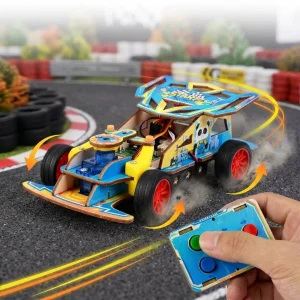
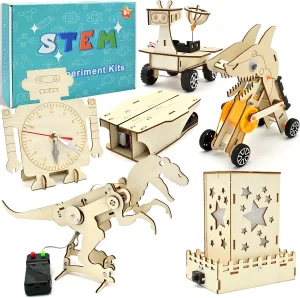
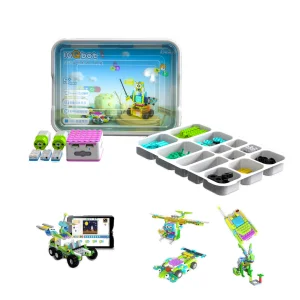
In European and North American public school systems, smart toys function as hands-on extensions of theoretical STEM curricula. For example, programmable wooden vehicular kits or interactive coding blocks allow teachers to demonstrate basic computing concepts and physics without relying on a tablet screen, adhering strictly to screen-time caps set by education ministries.
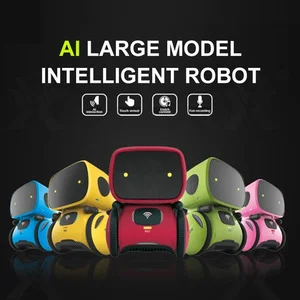
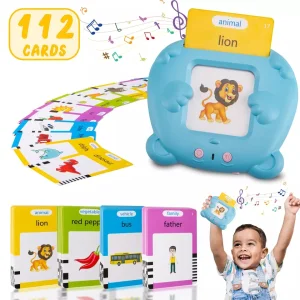
Sensory interfaces (such as interactive electronic flashcards with voice synthesis and touch triggers) are widely deployed in therapeutic environments. These toys assist children with language delays or autism spectrum conditions by offering predictable, stress-free audio feedback, helping to reinforce vocabulary through tactile and auditory sensory loop integration.
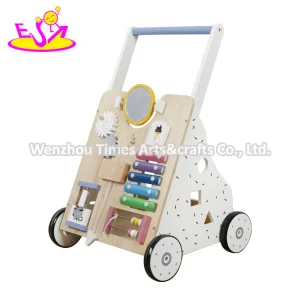
Modern families seeking high-yield home enrichment drive demand for premium wooden interactive toy sets. By blending the organic touch of natural materials (like FSC wood) with integrated, subtle smart elements (such as sound nodes or passive RFID readers), manufacturers supply toys that fit the minimalist aesthetics of modern homes while keeping kids mentally engaged.
Anticipating the technological integrations that will shape the next generation of smart learning hardware between 2026 and 2030.
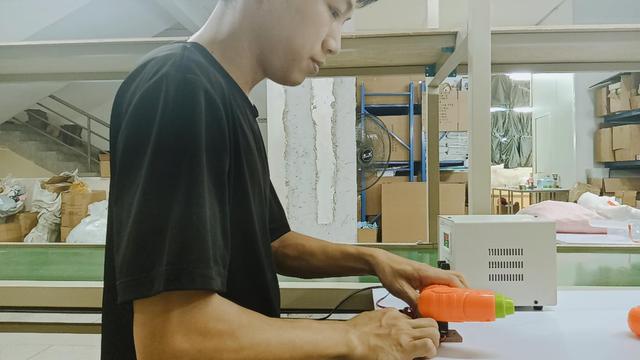
The trajectory of the virtual learning toy sector lies in offline edge-AI and localized sensor arrays. Our R&D division has finalized a clear-cut technical roadmap that aligns with global B2B expectations:
By aligning with this roadmap, Hangzhou Ebid Toy Co., Ltd. ensures that our global clients purchase items that are future-proof and resilient to future carbon-tax regulations in the European market.
Analyzing the strategic advantages that enable Hangzhou Ebid Toy Co., Ltd. to provide accelerated lead times, flexible MOQ structures, and consistent product quality.
Positioned within Zhejiang’s robust industrial manufacturing cluster, Hangzhou Ebid Toy profits from hyper-local access to high-grade plastics, electronics component markets, and FSC-certified wood suppliers. This minimizes raw material transport costs and insulates production lead times from international supply shocks.
Equipped with internal CNC tooling chambers and high-fidelity 3D-printing systems, we reduce design-to-sample lead times down to 10-15 days. For B2B clients launching seasonal product configurations, this means significantly higher speed-to-market compared to conventional manufacturing houses.
A reference framework detailing safety parameters necessary for importing smart learning toys into the European Economic Area.
B2B importers should know that importing smart learning devices into the EU requires rigorous verification. The CE Mark is not a mere label; it is a declaration that the product complies with all applicable European directives:
At Hangzhou Ebid Toy Co., Ltd., every single model is built with compliance in mind. We work directly with third-party testing institutions (SGS, TUV, and Intertek) to supply certified laboratory test reports and declarations of conformity (DoC), ensuring hassle-free customs clearances.
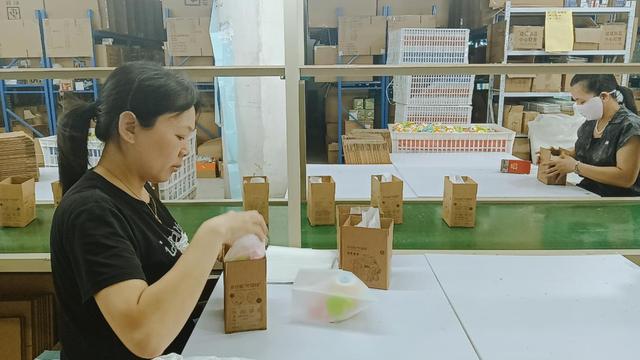
Key compliance and logistics information addressing technical inquiries from procurement agencies.
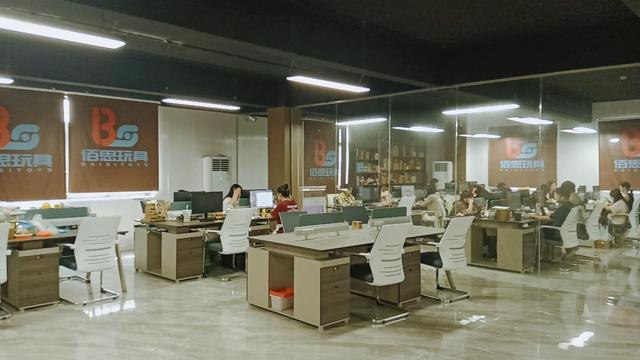
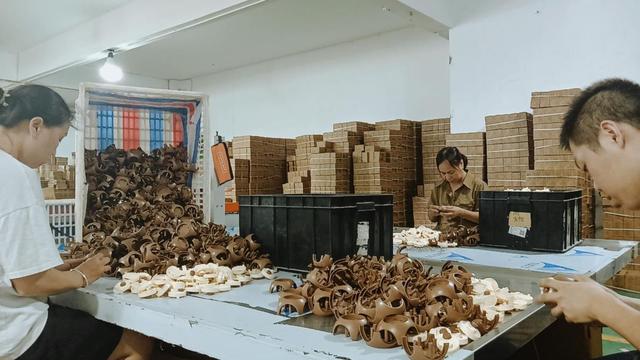
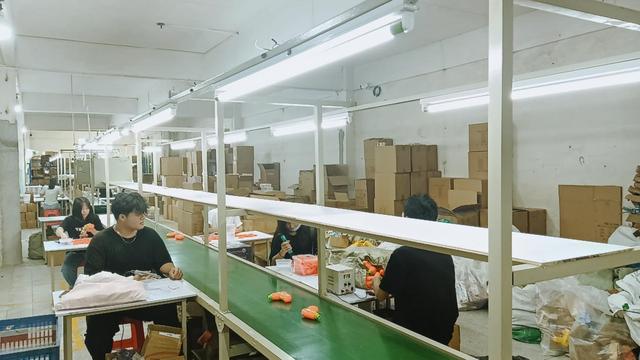
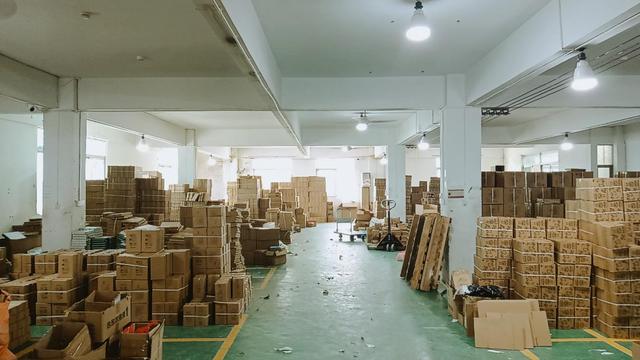
Take an inside look at our state-of-the-art facilities, QA inspection stations, and precision manufacturing capabilities.
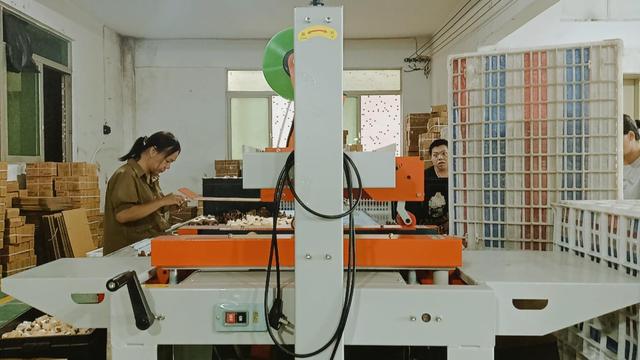
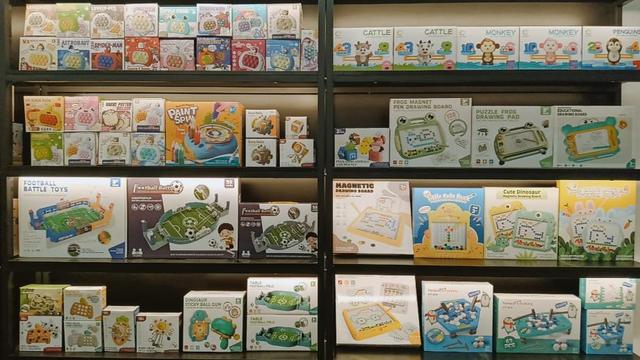

 Ebid Toy