Top 10 Tips on How to Import Educational Toys from China?

Time:2026-09-30 Author:Sophia
0%

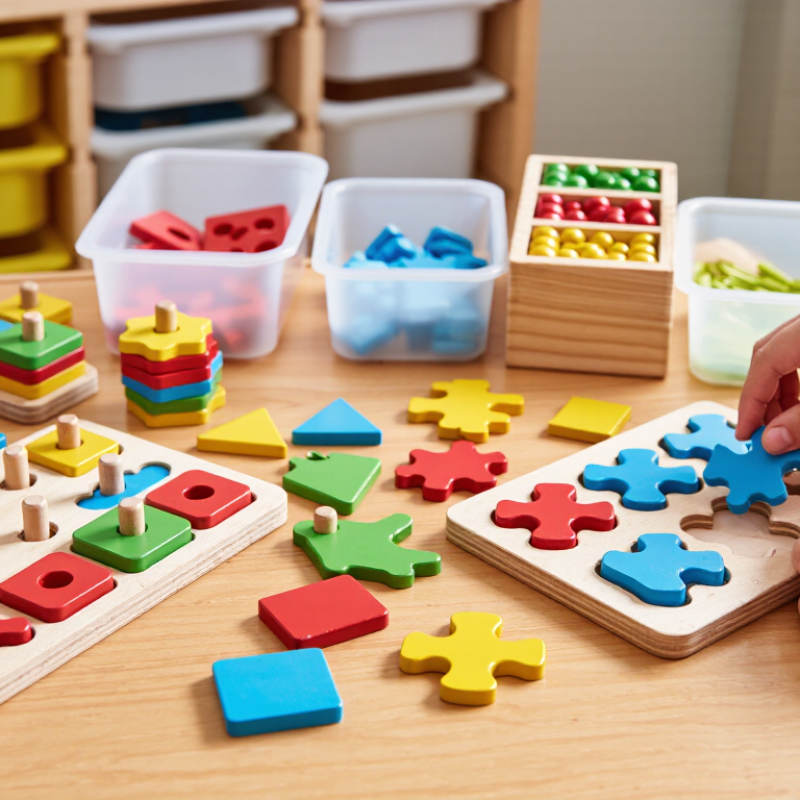
Importing educational toys from China can open access to varied designs, flexible production, and competitive pricing. It also requires careful checks. A colorful wooden puzzle may look sturdy in a product photo, yet small pieces, loose paint, or unclear packaging details can change the buying decision. Good sourcing starts with questions, not assumptions.

Child-development advocate Fred Rogers once said, “Play is often talked about as if it were a relief from serious learning. But for children, play is serious learning.” That idea matters when choosing products: a toy should support a clear learning goal, not simply carry an “educational” label. This guide explains how to import educational toys from China, from narrowing product specifications and assessing suppliers to requesting samples, confirming packaging details, and planning quality checks. Small details count. Ask for material information, age guidance, sample photos, and written production terms before placing an order. Then compare the sample with the final specifications, not just the catalog image.

A checklist helps, but it cannot replace judgment. A sample may feel right in your hands and still reveal little about consistency across a full shipment. That is easy to overlook. The ten tips ahead offer a practical starting point for making informed sourcing decisions, while leaving room to revisit assumptions when the evidence does not match the sales pitch.
Top 10 Tips on How to Import Educational Toys from China?

Define Toy Type, Target Age, and Destination Market Before Sourcing

Before importing educational toys from China, define the product precisely. “Educational” is too broad for supplier discussions. Choose construction, sensory, STEM, language, or early-learning toys. Age changes everything. A puzzle for toddlers needs larger pieces, softer edges, and simpler instructions than a coding kit for teenagers. Record the intended age, learning goal, materials, dimensions, and acceptable noise level in one product brief. Grand View Research estimates that the educational toys market will grow at more than 10% annually through 2030. That growth attracts suppliers, but it also increases quality differences.

Your destination market should shape the specification before you request quotations. Check local rules for small parts, chemicals, labeling, packaging, and age warnings. European buyers may require EN 71 testing, while United States sales generally involve ASTM F963 and federal children’s product requirements. Confirm the latest obligations with an accredited laboratory or qualified compliance specialist. Markets differ. Circana reported a 7% decline in global toy sales across 12 major markets in 2023, showing why demand assumptions need evidence. Compare import data, retail prices, school purchasing habits, and seasonal demand for your target country. My early sourcing mistake was selecting attractive samples before checking market age preferences. The samples looked excellent, yet the packaging language and skill level were unsuitable. That lesson remains uncomfortable. Ask suppliers for age-specific prototypes, test reports, factory photos, and a small pilot order before committing to volume.

Top 10 Tips for Importing Educational Toys from China

Define the toy type, target age, and destination market before sourcing

The chart shows estimated global population by child age group, based on United Nations World Population Prospects estimates. Use the target-age segment to guide product design, educational objectives, packaging, and safety testing. Before contacting suppliers, confirm the destination market’s applicable toy-safety requirements, labeling rules, conformity documents, and import regulations.

Source: United Nations, World Population Prospects 2022. Values are approximate global estimates in millions.

Screen Chinese Suppliers and Verify Their Factory and Quality-Control Records

Screening Chinese educational-toy suppliers requires more than comparing prices. Ask for the factory’s legal registration, production address, export experience, and product categories. The company name on the quotation should match its business records. Request recent factory photos, but verify them through a live video tour or an independent audit. Look for organized storage, labeled materials, guarded machinery, and separate inspection areas.

Quality records reveal how seriously a supplier works. Request incoming-material inspection logs, production checklists, final inspection reports, and records of rejected products. A reliable factory can explain its corrective actions, not just show a polished certificate. Check whether measuring tools have current calibration records. Review product testing documents for the exact toy model, materials, and intended age group. Generic reports deserve caution.

Ask for a traceability sample. The supplier should identify a batch number, production date, material source, and responsible inspector. Order samples from normal production, not specially prepared pieces. Examine paint coverage, loose parts, sharp edges, seams, labels, and packaging strength. Use a third-party inspection before shipment when the order is significant. I once overlooked packaging damage because the toys themselves looked acceptable; that was a costly lesson. Factory visits also have limits. A clean tour cannot prove every batch will match the sample. Keep written specifications, approval samples, and inspection criteria. Recheck them when materials or production locations change.

Match Tests to Market Rules: ASTM F963, ISO 8124, and EN 71 Parts 1–3

Importing educational toys from China starts with a market-specific testing matrix. ASTM F963 applies to the United States, while ISO 8124 offers an international safety framework. For European markets, EN 71 Parts 1–3 are essential: mechanical and physical properties, flammability, and migration of certain elements. Do not treat one report as universal proof.

Build ten checks around age grading, small parts, sharp edges, sound levels, magnets, packaging, traceability, chemical composition, labeling, and laboratory scope. CPSC’s 2023 toy injury report estimated 231,700 emergency-department injuries involving children under 15 in the United States during 2023. That figure makes small-part and mechanical testing more than paperwork. It is a design decision.

Ask the supplier for material declarations, production samples, and batch records before placing a large order. Test the finished toy, not only the raw plastic. A painted wooden puzzle may pass EN 71-1 yet fail EN 71-3 because surface coatings can release restricted elements. ISO 8124 can guide early design, but destination rules still control. I have seen teams rely on outdated reports. That mistake is expensive. Recheck standards after design changes, especially new colors, adhesives, batteries, or packaging. Final compliance also depends on accurate warnings and documentation. Testing is not the whole answer.

Top 10 Tips on How to Import Educational Toys from China? - Match Tests to Market Rules: ASTM F963, ISO 8124, and EN 71 Parts 1–3

# Import and testing tip Market or standard reference What to verify before shipment
1 Identify the destination market and intended age group before requesting tests. United States: ASTM F963 as applicable under U.S. toy regulations. European Union: applicable toy-safety legislation and harmonized EN standards. ISO 8124 is an international standards series. Confirm the product’s age grading, intended use, and sales markets. ISO 8124 testing alone does not replace market-specific legal requirements.
2 Match the test plan to the applicable edition and parts of each standard. ASTM F963; ISO 8124-1, -2, and -3; EN 71-1, -2, and -3. Ask the test laboratory to identify the edition used and check that it is accepted for the relevant market and product category.
3 Assess mechanical and physical hazards, including small parts, sharp edges, and accessible mechanisms. ASTM F963; ISO 8124-1; EN 71-1. Review age-related small-parts risks, foreseeable use and abuse, and any applicable warnings. Requirements depend on the toy’s design and intended age group.
4 Check flammability risks in the toy and its accessible materials. ISO 8124-2; EN 71-2; applicable flammability provisions of ASTM F963. List textiles, plush materials, dress-up components, and other relevant materials for review. The applicable test method depends on the product construction.
5 Review migration of certain elements in accessible toy materials. ISO 8124-3; EN 71-3; relevant chemical requirements under ASTM F963 and other applicable U.S. rules. Identify each material, coating, paint, and accessible component. Element-migration testing is not a substitute for checking other chemical restrictions that may apply.
6 Test representative production samples, not only early prototypes. Applies to test programs for ASTM F963, ISO 8124, and EN 71. Confirm that samples match final materials, colors, coatings, accessories, packaging, and manufacturing specifications. Retest when relevant design or material changes occur.
7 Use a laboratory qualified for the required tests and market documentation. For U.S. children’s product testing, applicable rules can require testing by a CPSC-accepted third-party laboratory. EU conformity assessment obligations depend on the product and applicable legislation. Check the laboratory’s scope for the exact standard, edition, and test. A test report does not by itself establish compliance with every legal obligation.
8 Prepare market-specific compliance documents and product traceability details. U.S.: applicable certification and tracking-label requirements. EU: applicable conformity assessment, technical documentation, and CE marking requirements. Keep reports, product specifications, batch or lot identifiers, and supplier records. Confirm which party is responsible for required certificates, declarations, and records.
9 Check labels, warnings, and instructions in the language and format required by the destination market. Requirements vary by market, product type, and age grading; relevant toy standards may specify warnings or test-related conditions. Review age warnings, choking-hazard statements where applicable, instructions, importer details, and traceability information before approving artwork.
10 Set up change control and incoming quality checks for repeat orders. Useful for maintaining conformity with the selected market requirements and test reports. Require advance notice of changes to materials, suppliers, colors, coatings, dimensions, or production sites. Compare delivered goods with approved samples and documentation.

Note: Standards and legal requirements can be revised and may vary by product and market. Confirm the current applicable requirements with the relevant authority or a qualified compliance professional before placing an order.

Check CPSIA Lead Limits: 100 ppm in Components and 90 ppm in Paint

When importing educational toys from China, check lead limits before approving a sample. Under the U.S. CPSIA, accessible component parts generally must contain no more than 100 ppm of total lead. Paint and similar surface coatings have a stricter limit: 90 ppm. These are separate requirements, so a wooden puzzle can pass a paint test while a small metal fastener still needs attention.

Ask your supplier for test reports that match the exact toy, materials, and production version you plan to order. A report for a similar item may not cover a changed coating or a newly added component. Check which parts were tested and whether they are accessible to children. Keep the reports, invoices, and sample details together. Small details matter.

Look closely at painted edges, printed designs, and loose accessories. A bright coating can wear where pieces rub during play, so ask how the finished toy is tested and inspected. Do not rely on a verbal assurance or a single certificate without checking its scope. It takes time. And even careful paperwork can miss a production change; confirm that bulk goods match the approved sample before shipment.

Approve Samples, Packaging, MOQ, Incoterms, and Customs Documents Before Shipping

Tip 1: Approve a physical sample before discussing mass production. Check dimensions, paint quality, moving parts, labels, and small components by hand. Photograph the approved sample from every angle, then attach its specifications to the purchase contract. A sample may look perfect while the final batch changes slightly. This happens more often than new importers expect.

Tip 2: Confirm packaging, MOQ, and Incoterms in writing. Packaging should state carton size, inner quantity, materials, warning labels, and required translations. Ask whether the MOQ applies per color, design, or total order. Clarify who pays for tooling and artwork changes. With Incoterms, name the exact delivery location, such as a warehouse or port. Do not accept vague terms like “shipping included.” A lower unit price can hide higher destination charges.

Tip 3: Prepare customs documents before production ends. Request a commercial invoice, packing list, transport document, accurate HS code, and certificate of origin when required. Keep product test reports and conformity documents ready for the destination market. Educational toys may need age grading, chemical testing, or electrical compliance checks. Verify these rules with a qualified customs broker because requirements differ by country. I once underestimated document review time, and the shipment waited while one label translation was corrected. Build extra time into the schedule. Mistakes are expensive.

FAQS

What details should a toy product brief include?

Specify the toy type, target age, learning goal, materials, dimensions, and acceptable noise level. A clear brief helps suppliers quote accurately.

Why should the destination market affect toy specifications?

Rules for small parts, chemicals, labels, packaging, and age warnings vary by market. Check current requirements with a qualified specialist or accredited laboratory.

How can buyers assess demand before ordering?

Compare import data, retail prices, school purchasing habits, and seasonal demand. Sales can shift, so avoid relying on growth forecasts alone.

What should buyers verify about a supplier?

Check business registration, production address, export experience, and product categories. The company listed on the quotation should match its records.

How can buyers check a factory’s quality practices?

Review material inspections, production checklists, final reports, and rejected-product records. Ask how the factory corrected past problems. Certificates alone are not enough.

What should testing documents cover?

Confirm that reports match the exact toy model, materials, and intended age group. Generic reports deserve caution.

What should buyers inspect in production samples?

Check paint coverage, loose parts, sharp edges, seams, labels, and packaging strength. Request samples from normal production, not specially prepared pieces.

How can buyers track a toy batch?

Ask for a batch number, production date, material source, and responsible inspector. Keep written specifications and approved samples. Details matter.

Does a factory visit guarantee consistent products?

No. A tidy tour cannot prove every batch will match the sample. I still wonder whether I trusted the first inspection too much.

Conclusion

Learning how to import educational toys from China starts with careful planning. Define the toy category, intended age group, learning purpose, and destination market before contacting suppliers. These details will guide product design, material selection, labeling, packaging, and compliance requirements. Next, screen potential manufacturers by reviewing their production capabilities, factory conditions, quality-control procedures, and relevant records. Request clear documentation and evaluate samples before making a purchasing decision.

Compliance testing should match the regulations of your target market, including applicable requirements under ASTM F963, ISO 8124, or EN 71 Parts 1–3. Pay special attention to CPSIA limits, including 100 ppm lead in accessible components and 90 ppm lead in paint or surface coatings where applicable. Before shipment, confirm sample approval, packaging specifications, minimum order quantity, Incoterms, inspection arrangements, and customs documents in writing. A detailed checklist and transparent communication can help reduce quality issues, shipping delays, and unexpected import costs.

Sophia

Sophia

Sophia is a dedicated marketing professional with an exceptional depth of knowledge about her company's products and services. With a keen understanding of market trends and customer needs, she crafts insightful blog posts that not only inform but also engage readers, enriching the company’s online......