Starting an educational toy brand in China can look simple from a distance: choose a product, add a logo, and place an order. The real work is in the details. A wooden counting set may have smooth edges in a sample, yet arrive with loose pieces, uneven paint, or packaging that fails to protect it during shipping. Small problems can affect safety, reviews, and repeat orders. They deserve attention early.
This guide explains how to start a private label educational toy business with a practical, China-focused plan. It covers choosing a clear age group and learning purpose, checking demand, comparing manufacturers, and requesting samples before discussing production quantities. It also outlines how to review materials, product testing, labels, packaging, quality checks, shipping, and landed costs. Requirements can vary by product and sales destination, so confirm current rules with qualified testing or compliance professionals before placing a commercial order. Keep written specifications and inspection records. Do not rely on a polished factory tour alone.
Be specific. Ask who makes each component, how defects are handled, and what changes require approval. A low quote may omit important costs or quality controls. That is easy to miss. I would not pretend every supplier relationship runs smoothly, either; delays and inconsistent samples happen. The goal is not to avoid every setback, but to make informed decisions, protect children, and build a brand customers can trust.
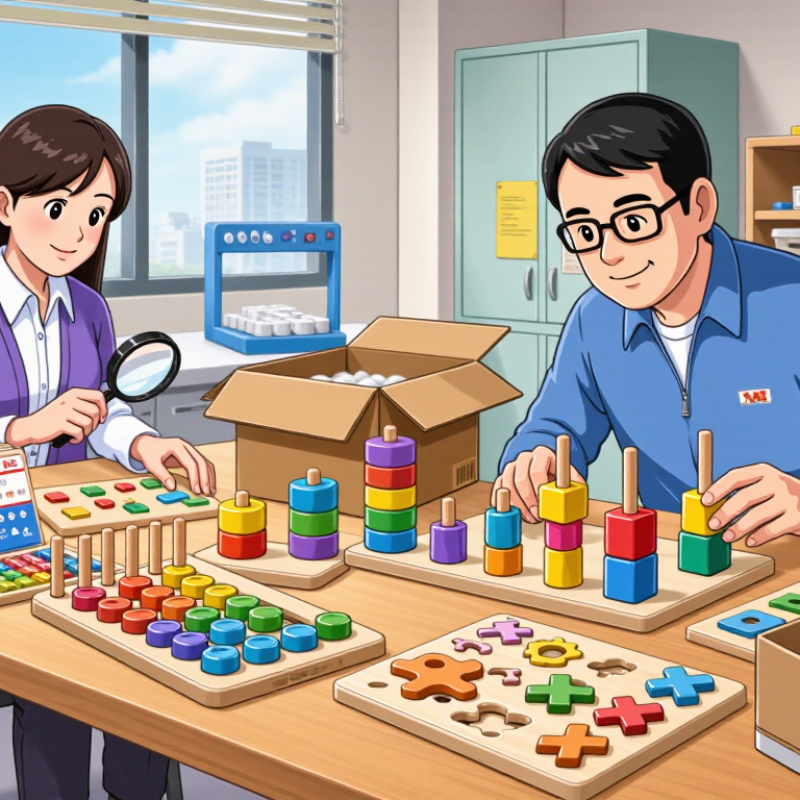
Before starting a private label educational toy business in China, define one clear learning niche. Avoid targeting every child at once. You might focus on sensory play for preschoolers, beginner science kits, or bilingual vocabulary games. Each niche needs a different design, material choice, and sales message.
Study the child and the buyer separately. A four-year-old may enjoy colorful pieces, while parents may care about safety, durability, and learning value. Interview parents, teachers, and distributors in your target market. Observe how children handle similar toys.
I once assumed parents wanted more features, but several preferred simpler activities with clearer instructions. That mistake changed my product planning. Test early.
Tips: Write a one-sentence customer profile. Include age, location, learning goal, budget, and buying concern. Then create a small prototype for feedback. Ask what feels confusing. Negative comments are useful.
For private label production, connect the niche with realistic factory capabilities. A complex electronic toy may require stronger quality control and longer development. A card-based learning game may be easier to adjust and ship. Check material specifications, age grading, packaging information, and applicable product requirements before placing an order. Do not promise educational results without evidence. Clear claims build trust, even when the product is still improving.
How to Start a Private Label Educational Toy Business in China?
Check China’s Toy Safety, Labeling, and Business Requirements
Starting a private label educational toy business in China requires careful product classification. Check whether the toy falls under China’s mandatory toy safety standards, including GB 6675. Some categories may also require China Compulsory Certification. Confirm the current certification catalogue before placing a production order. Testing should cover mechanical hazards, flammability, toxic element migration, and electrical safety when relevant. A perfect prototype is not enough. Material changes can create compliance problems.
Chinese packaging should clearly show the product name, manufacturer, address, production date, batch information, age range, warnings, and usage instructions. Review GB 5296.5 and other applicable labeling requirements. Use accurate Chinese translations. Avoid unsupported claims such as “completely safe” or “development guaranteed.” Small parts need clear choking warnings. Printed labels should remain readable after handling and storage. A QR code cannot replace required information.
Your business structure also needs attention. An overseas seller should identify a qualified importer or responsible Chinese business partner. Contracts should assign duties for testing, customs documents, product recalls, and after-sales support. Registering the private label trademark early can reduce ownership disputes. Audit the factory, approve a sealed reference sample, and inspect the first production batch. Keep test reports, invoices, artwork files, and retained samples. Your checklist may still miss something, so review it with an experienced Chinese compliance professional before shipment.
China’s Toy Safety, Labeling, and Business Requirements
China’s compulsory certification system identifies six toy product categories that may require CCC certification: baby carriages, electric toys, projectile toys, dolls, metal toys, and ride-on vehicles. Each bar represents one product category in the certification scope, not market share or sales volume. Private-label businesses should also assess the applicable GB 6675 toy-safety requirements, Chinese-language labeling, age grading, warnings, importer information, and product traceability before selling in China.
Compliance reference: the GB 6675 toy-safety framework includes four main parts covering general requirements, mechanical and physical properties, flammability, and migration of specific elements. CCC applicability should be confirmed according to the exact product classification and design.
China remains a strong sourcing base for private label educational toys, but factory selection requires more than a low quotation. Grand View Research valued the global educational toys market at over USD 60 billion in 2023 and expects continued growth through 2030. That demand attracts experienced suppliers and inexperienced traders. Your evaluation must separate them.
Request a factory profile, business license, production photos, export markets, and recent audit records. Then compare three physical samples. Check paint adhesion, small-part security, edge finishing, magnets, packaging, and instruction quality. Ask which materials are tested and which laboratory issued the reports. Products for major markets may require EN 71, ASTM F963, CPSIA, or ISO 8124 compliance. Testing must cover the finished toy, not only its raw materials. A certificate alone is not proof of consistent production.
Visit the facility when possible. Observe whether workers follow written procedures or simply copy a sample. Review incoming-material records, mold maintenance, defect rates, and final inspections. The China Toy and Juvenile Products Association has repeatedly highlighted quality and safety as key concerns in China’s toy industry. Discuss MOQ, tooling ownership, lead times, packaging changes, and replacement terms in writing.
A cheaper supplier may use weaker cardboard or substitute components later. That risk is easy to underestimate. No scorecard is perfect. Recheck the first mass-production batch independently, even after a successful pre-shipment inspection.
Starting a private label educational toy business in China begins with a precise product brief. Define the learning goal, target age, dimensions, materials, colors, and acceptable production tolerances. Add measurable details, such as a 3 mm maximum flash and a 500-cycle connection test. Do not rely on attractive samples alone. Ask the factory for material declarations, safety test reports, and a documented inspection plan. Use an independent inspection when the order value justifies it. Your specification should be clear enough for another engineer to quote accurately.
Branding should support the toy’s learning purpose, not overpower it. Choose a simple name, readable typography, and colors that remain consistent across products. Prepare artwork files with confirmed dimensions, color references, and print tolerances. Reserve space for age guidance, instructions, warnings, importer details, and traceability information. A bilingual instruction sheet can reduce confusion for distributors and families. Test the wording with someone outside your design team.
Packaging needs to protect the toy without creating unnecessary volume. A molded insert, folded carton, or paper sleeve may suit different product sizes. Check drop resistance, moisture exposure, stacking strength, and barcode readability before mass production. One early sample looked polished but wasted too much carton space. We revised the insert and reduced shipping volume, although the new layout felt less dramatic. That compromise was difficult. Review prototypes with children, parents, and quality staff, then record every change before approval.
Starting a private-label educational toy business in China begins with a production brief that factories can actually follow. Specify dimensions, materials, age range, learning objective, packaging, and acceptable color variation. Request a pilot batch before committing to a larger order. Check that puzzle pieces fit, printed instructions are readable, and packaging survives a rough delivery. Small details matter.
Build quality control into production, not just final inspection. Approve a “golden sample,” then check incoming materials, first-run units, and packed cartons against it. Keep batch records and retain samples for later comparison. Use qualified testing providers to assess relevant safety and chemical requirements in each target market. Keep records. A low defect rate can still hide confusing instructions or fragile parts; review customer complaints, too.
Plan sales channels around evidence, not optimistic forecasts. Circana’s review of the U.S. toy market reported 2023 sales of $28.3 billion, down 8% year over year. That fluctuation is a reason to test demand with limited inventory across suitable online and wholesale channels. Track conversion, returns, and repeat purchases by product. Test small. I would not assume that strong marketplace clicks mean durable demand; educators and parents may value different features, and early sales data can be misleading.
Focus on one clear learning goal, such as sensory play or beginner science. A card game may be easier to adjust than an electronic toy. Keep the audience specific.
Speak with parents, teachers, and distributors. Watch children handle similar toys. A preschooler may enjoy bright pieces, while a parent may value durability and clear instructions. Test early.
Note the child’s age, location, learning goal, family budget, and buyer concerns. Then show a small prototype and ask what feels confusing. Negative feedback can help.
Check the toy’s classification and applicable safety requirements before production. Testing may cover small parts, edges, paint, flammability, and electrical features. A good prototype is not enough.
Use readable product details, manufacturer information, age guidance, warnings, and instructions. Check applicable Chinese labeling rules and translations. A QR code cannot replace required text.
Request its business license, factory profile, production photos, and recent audit records. Compare three physical samples. Check paint adhesion, edges, magnets, packaging, and instructions.
Ask which materials and finished products were tested, and which laboratory issued the reports. A certificate alone cannot prove consistent production. Recheck the first batch.
Put minimum order quantities, tooling ownership, lead times, packaging changes, testing duties, and replacement terms in writing. Agree on a sealed reference sample. I once assumed more features would help; some parents preferred simpler activities. That changed my plan.
Starting an educational toy business in China begins with choosing a clear product niche and understanding who will use and buy the toys, such as children in a particular age range, parents, or educators. Research their needs and preferences to guide product selection. Before production, review the applicable toy safety, labeling, and business requirements for the markets where you plan to sell. This early preparation can help you develop products and packaging that are suitable for your intended customers.
To understand how to start a private label educational toy business, identify manufacturers that can support your product concept, then assess their capabilities, communication, and quality processes. Prepare detailed product specifications, including materials, functions, design, and packaging, and develop original branding that clearly communicates the toy’s educational purpose. Coordinate production and quality checks, and plan practical sales channels that fit your audience. Careful planning across product development, manufacturing, and selling can help build a more consistent and sustainable business.

Ebid Toy