The question of "how many educational toys does a child need" often sparks debate among parents and educators. According to a recent report from the American Psychological Association, children benefit from a balance of toys that encourage creativity and cognitive development. However, the optimal number of toys can vary based on individual needs.
Research indicates that too many options can lead to overstimulation, leaving children feeling overwhelmed. The same report highlights that children thrive in environments with fewer, more thoughtfully chosen toys. By focusing on quality over quantity, parents can foster learning and creativity. For instance, a well-designed puzzle or building set can enhance problem-solving skills, while promoting fine motor abilities.
Moreover, experts suggest evaluating the child's interests. Some children may flourish with three to five focused educational toys, while others may need a wider variety. It’s essential to reflect on a child’s preferences and developmental stage. Ultimately, the answer to how many educational toys a child needs isn't fixed; it’s a dynamic consideration shaped by the child's unique journey.
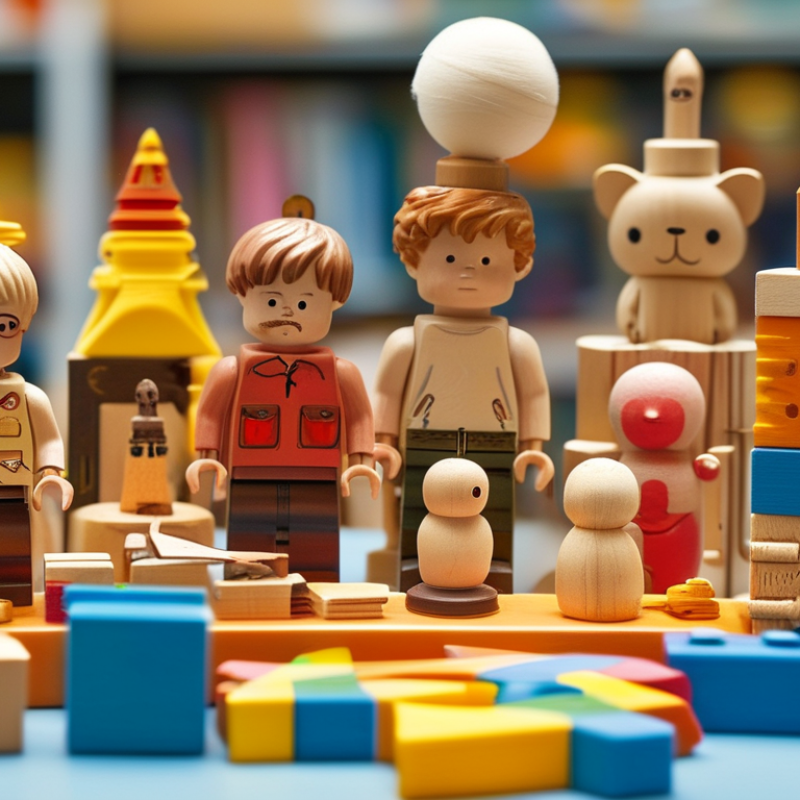
Educational toys play a crucial role in child development. Research suggests that children learn best through play. According to the American Academy of Pediatrics, 90% of brain growth happens by age five. During this critical period, educational toys can enhance cognitive skills, problem-solving abilities, and social interactions. Toys that encourage creative thinking or provide challenges can stimulate a child's imagination.
Tips: Choose open-ended toys. These toys allow children to explore various uses. A simple wooden block set can evolve into a castle or a race car, fostering creativity. Limit the number of toys to avoid overstimulation. Too many options can hinder a child’s ability to engage deeply.
Data from the National Association for the Education of Young Children highlights that interactive toys improve fine motor skills and hand-eye coordination. For instance, puzzles sharpen spatial awareness while toys that require building promote critical thinking. Parents often worry about knowing the right amount of toys. It's essential to prioritize quality over quantity. A few well-chosen educational toys can provide more benefits than a disorganized array of options that fail to engage a child’s curiosity.
When it comes to educational toys, age is a crucial factor. According to the American Academy of Pediatrics, children aged 0-1 year benefit most from toys that encourage sensory exploration. Soft blocks and colorful shapes are ideal. Experts recommend having about 5 to 7 toys for this age group. This allows for ample choice without overwhelming the child. Too many options may lead to overstimulation.
For toddlers aged 1-3 years, the recommendation increases to around 8 to 10 educational toys. At this stage, children engage in more active play. They enjoy building and role-playing. Puzzles and stacking toys are great for developing fine motor skills. The National Association for the Education of Young Children suggests that variety is essential. However, having an excessive number of toys can hinder creativity and problem-solving. Children may feel pressured to always play with new items rather than exploring.
Preschoolers aged 3-5 years thrive with 10 to 12 educational toys. This age group benefits from toys that enhance cognitive skills, like counting games and science kits. A study published in the Journal of Child Development indicates that children who rotate their toys show increased engagement and extended playtime. Balancing the quantity of toys and the quality of interactions can lead to better developmental outcomes. Parents should reflect on the toys they provide to ensure they align with their child's needs.
When considering the impact of educational toys on cognitive skills, it's vital to focus on how these toys can shape a child's development. Studies have shown that engaging with educational toys can enhance problem-solving skills and boost creativity. Furthermore, these toys often encourage hands-on learning, allowing children to grasp concepts more effectively than traditional methods.
Tips: Choose toys that stimulate critical thinking. Building sets and puzzles are excellent options. Don't forget about balance; too many toys may overwhelm rather than educate. Allow children to explore and play freely, promoting their decision-making skills.
While educational toys serve a purpose, it's important to assess what your child truly needs. Too many options can dilute their learning experience. Monitor how they interact with each toy. Do they show interest or abandon it quickly? This reflection can guide future purchases. Ultimately, the focus should be on quality over quantity.
Encouraging open-ended play is beneficial. Toys that offer multiple ways to play foster better cognitive outcomes. Consider rotating toys to maintain your child's interest and engagement. This strategy can lead to deeper exploration and a richer learning experience over time.
This bar chart illustrates the relationship between the number of educational toys a child has and their performance in cognitive skill assessments. The data shows how different quantities of toys can influence learning outcomes.
When it comes to educational toys, families often wonder how much they should invest. Industry insights reveal that the average family spends around $300 per year on these toys. This number varies widely by region and income level. Some families prioritize educational benefits, while others focus on entertainment value.
Parents often feel overwhelmed when selecting toys. It’s easy to fall into the trap of buying too many. A well-rounded approach is essential. Experts suggest that a handful of versatile toys can spark creativity and learning. Overemphasis on quantity may lead to clutter and choice overload for kids. Reflection on each purchase can help parents make better decisions.
Quality matters more than quantity. Choosing toys that cater to various developmental stages can be more beneficial. Engaging children with fewer, carefully chosen toys can bolster their learning experience. Ultimately, families should aim for balance, ensuring their child has enough options to explore, yet enough space to focus.
When choosing educational toys, quality is paramount. Look for items that stimulate creativity and critical thinking. Toys should encourage exploration and problem-solving skills. Incorporating sensory elements is beneficial. Textures, sounds, and bright colors can engage a child’s senses and enhance learning.
Consider age appropriateness as well. A toy that fits a child’s developmental stage will be more effective. It should challenge them, not frustrate them. Safety is essential too. Non-toxic materials and sturdy construction are crucial to ensure safe play.
While variety is important, having too many toys can be overwhelming. A few well-chosen toys can provide more value than a clutter of options. Each toy should spark curiosity and invite interactive play. Encouraging independent exploration allows kids to learn at their own pace. This balance is often overlooked, but it’s essential for healthy development.
| Toy Type | Age Group | Educational Focus | Recommended Quantity |
|---|---|---|---|
| Building Blocks | 3-5 years | Spatial Awareness, Creativity | 5 Sets |
| Puzzles | 2-6 years | Problem Solving, Fine Motor Skills | 3-4 Puzzles |
| Art Supplies | 2-7 years | Creativity, Expression | A Variety |
| STEM Kits | 5-10 years | Science, Technology, Engineering, Math | 1-2 Kits |
| Musical Instruments | 3-8 years | Music Appreciation, Coordination | 1-3 Instruments |
: Educational toys enhance problem-solving skills and boost creativity, facilitating better hands-on learning experiences.
Select toys that stimulate critical thinking, like building sets and puzzles, but avoid overwhelming them with too many options.
Pay attention to their interest levels. If they quickly abandon a toy, it might not be suitable for their learning needs.
Families usually spend around $300 per year, but this amount can vary by region and financial situation.
Quality matters more. A few carefully chosen toys can provide greater educational value than numerous lesser-quality options.
Toys offering multiple play options foster better cognitive outcomes and encourage deeper exploration over time.
Yes, rotating toys can maintain interest and engagement, promoting richer learning experiences through varied play.
Look for non-toxic materials and sturdy construction to ensure safe play for your child.
Toys should match a child's developmental stage to challenge them effectively without causing frustration.
Overemphasis on quantity can lead to choice overload and clutter, diluting the learning experience.
In exploring the question of "how many educational toys does a child need," it is essential to understand their significant role in child development. Educational toys not only enhance cognitive skills but also foster creativity and problem-solving abilities in children. The recommended number of toys varies by age group, emphasizing that varied stimulation is crucial at different developmental stages.
Moreover, industry insights reveal average family spending on educational toys, which often reflects the value parents place on their children's learning outcomes. When selecting toys, parents should consider key features such as safety, durability, and the ability to facilitate learning through play. Ultimately, the right balance of educational toys can positively impact a child's development while ensuring they have ample opportunities for exploration and growth.

Ebid Toy